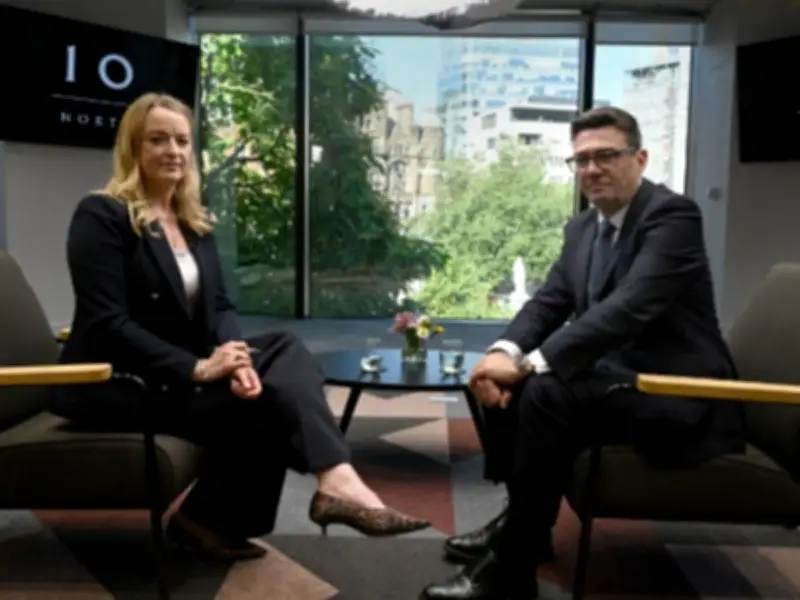
Prime Minister Andy Burnham has wasted no time in outlining his approach to state pension and Department for Work and Pensions (DWP) benefits since succeeding Sir Keir Starmer last Monday. Three major announcements have been confirmed, covering tax on the state pension, the triple lock, and welfare spending reductions.
State Pension Tax Exemption
Former Chancellor Rachel Reeves had previously promised that pensioners whose sole income is the state pension would not pay income tax when their payments rise above the personal allowance. Burnham has now reaffirmed that commitment. The £12,570 tax-free threshold has been frozen since 2021, meaning more people have been drawn into paying tax as earnings increased. However, the Treasury confirmed to The i Paper that Chancellor John Healey will uphold Reeves's promise. A Treasury spokesperson stated: "Anyone whose only income is the full new or basic state pension without any increments will not pay income tax and we are committed to that over this Parliament. By keeping the triple lock, 12 million pensioners will see their income rise by up to £470 this year, and they continue to benefit from the highest personal allowance in the G7."
Triple Lock Commitment
The triple lock guarantees that the state pension increases each April by the highest of inflation, average earnings growth, or 2.5%. Burnham has confirmed he will adhere to this mechanism, as set out in the Labour manifesto. He reiterated this pledge in a recent Reddit session. However, due to fiscal drag, from April next year the full state pension is expected to exceed the personal allowance of £12,570, meaning some pensioners may face tax unless the threshold is raised. The government has not yet committed to increasing the personal allowance, with Burnham stating in a Times interview that there is "no commitment" and that it will be looked at in the budget. He noted that the freezing of the tax-free allowance was "the thing I heard the most on the doorsteps" during the by-election campaign.

Welfare Reform and Benefits Cuts
On DWP benefits, Burnham has indicated that the government needs to "get really serious" about reducing the welfare bill, particularly highlighting the high spending on housing benefits. He suggested tightening conditions for receiving support while providing more help into work. Burnham stressed the importance of mental health support "in work" but warned against pursuing "crude cuts" to welfare. He said: "I think we've got to get really serious as a country at getting the welfare bill down, and one of the things I would point to was the sell-off of social and council homes in the 1980s onwards that has left us chasing rents in the private rented sector through the benefit system, which means we've got a very high housing benefit bill in this country. The building of new council and social homes over time will help get that benefit bill down in a fair and sustainable way." He added: "I think the thing I'm just pushing back on is this idea that we go to a kind of crude approach, crude cuts to benefits to get the welfare bill down. Often that just pushes people into even more crisis and then even more public spending in another part of the system. We need a system that sets people up for success rather than pays for failure."
These announcements signal a cautious but firm approach by Burnham, balancing pensioner protections with a desire to curb welfare expenditure. The coming budget will clarify further details on personal tax allowances and specific welfare reforms.