Prime Minister Andy Burnham will make a final call on whether to raise the income tax personal allowance when his first Budget is delivered on October 28. The announcement will bring an end to months of speculation about a potential tax cut for lower earners, with the Prime Minister under mounting pressure from within his own party and beyond.
The personal allowance is the threshold at which households begin paying income tax. It has been frozen at £12,570 for several years, meaning that as wages, benefits and pensions have increased with inflation, more people have been dragged towards or past the threshold. This so-called fiscal drag has effectively raised taxes for millions without any direct change to the rate.
Pressure grows for a rise in the threshold
Andy Burnham and his Chancellor, John Healey, are now facing growing calls to lift the allowance in order to ease the cost-of-living burden on lower-income households. Campaigners and backbench MPs argue that raising the threshold would put more money into the pockets of those who need it most.

The scale of the erosion is stark. Independent estimates suggest that had the personal allowance kept pace with inflation since it was set at its current level, it would now stand at around £16,000. That figure highlights just how far the real value of the allowance has fallen behind the cost of living.
For many households, the difference between £12,570 and £16,000 represents a significant amount of taxable income. Rising earnings have meant that a growing number of people who previously paid no income tax are now being pulled into the system, while others have been pushed into higher tax brackets without any explicit policy change.
Cost concerns and a careful response
Yet raising the allowance would come at a considerable cost to the public finances. That is likely why the Prime Minister has appeared to row back on earlier indications that he was prepared to offer a rise. Instead, he has promised to examine the issue at the Budget while stressing that there are “no commitments”.
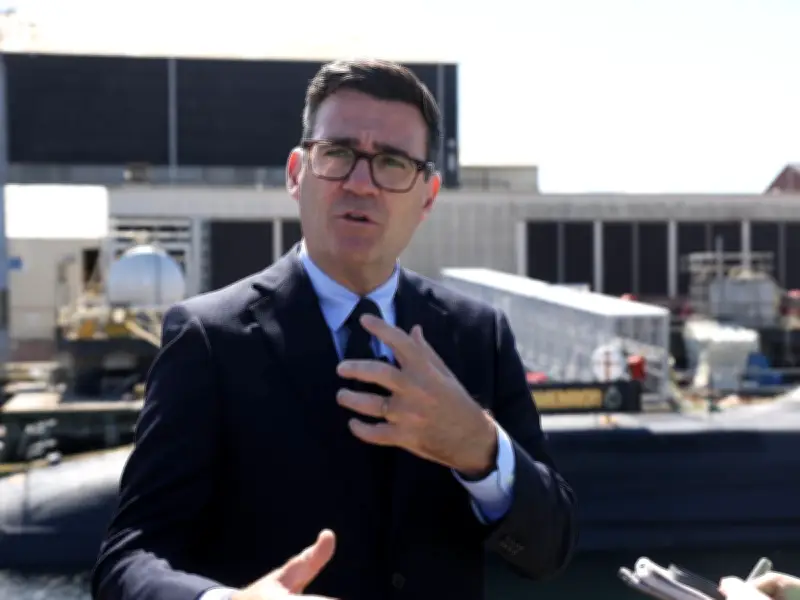
Asked directly whether he would raise the allowance, Burnham explained:
“I want to answer questions honestly in this job, as I said before. I think that’s all about trust in politics and doing politics differently, and I’m determined to keep working in that way.”
He went on: “It was raised a lot, but I then went on to say, ‘but we’ll have to look at it at the budget alongside everything else.’ So no commitment, no unfunded promise. There is no commitment at this point to change, but we will look at that at the Budget.”
His comments reflect a cautious approach, with the Prime Minister clearly mindful of the need to balance electoral promises against fiscal reality. The phrase “no unfunded promise” is likely to become a recurring theme in the run-up to the Budget.
What happens next
With the Budget now officially scheduled for October 28, the coming weeks will be critical for households hoping to see the allowance increased. Any decision to raise it will likely be accompanied by detailed costings showing how the Treasury would compensate for the loss of revenue.
For now, Burnham’s message is one of fiscal caution: no unfunded promises. But with inflation having already pushed the effective tax burden higher for many families, the political pressure on the Prime Minister is unlikely to fade before the autumn statement.