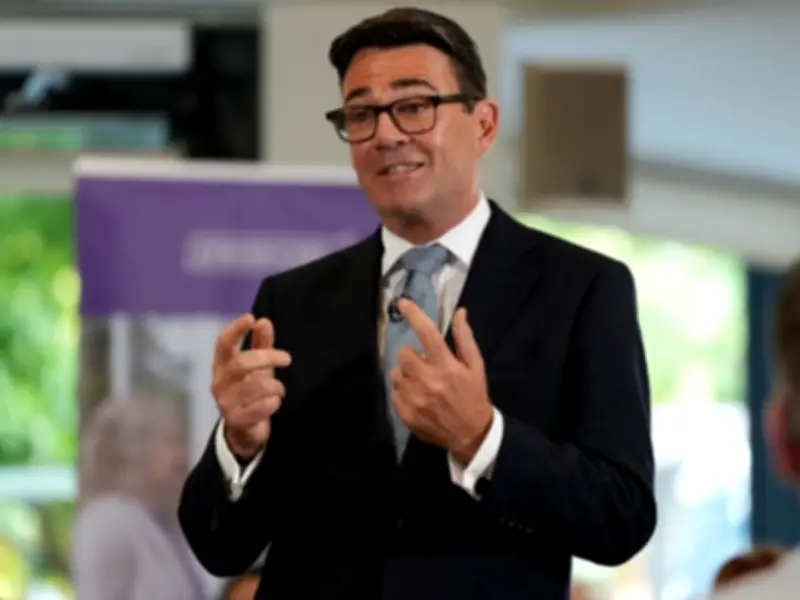
Prime Minister Andy Burnham is facing calls to abolish the state pension triple lock as a means to finance his ambitious National Care Service reforms. The proposal, which would see pensioners born after 1951 lose a potential £24 monthly increase, has sparked a fierce debate over the affordability of the government's social care agenda.
National Care Service Plans
Number 10 has confirmed that Burnham wants Louise Casey to develop a detailed plan for delivering the National Care Service, which must meet four specific conditions. The prime minister has also outlined the core principles behind the service, but the announcement has been met with concerns about its funding.
Experts are urging Burnham to look first at savings from the welfare bill, particularly the costly triple lock guarantee. Under the current system, a 2.5% rise—the minimum increase required by the triple lock—would add £6 a week, or £24 a month, to the full state pension next April. The full pension is available to men born after 1951 and women after 1953.

Expert Recommendations
Stephen Millard, deputy director for macroeconomics at a leading think tank, commented: "There's clearly no scope for increasing borrowing, so it is about choices. Our advice would very much be to fund these through higher taxes – which could involve tax reform rather than higher marginal rates – or cuts in spending elsewhere." He highlighted the triple lock as "very, very expensive and will get more expensive as we age."
Burnham's Vision for Social Care
Discussing his social care reforms, Burnham said: "In an ideal world I wouldn't want anybody to have to sell their home to pay for care. I think it's a really awful process for those who live through it … I think the whole thing is horrendous for those who live through it. They see everything that their parents have worked for just whittled away in front of them, paying for care that often isn't good enough. So I think the system isn't right. And in an ideal world, no, I wouldn't want to see that."
The debate over funding the National Care Service is likely to intensify as the government seeks to balance its ambitions with fiscal reality. The triple lock remains a politically sensitive issue, with any changes likely to face strong opposition from pensioner groups and opposition parties.