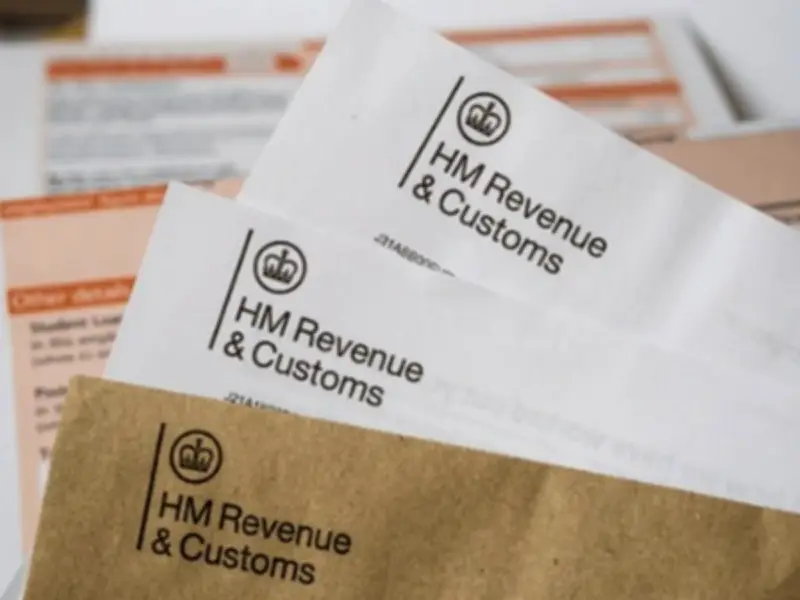
HMRC is set to introduce new penalties for taxpayers who make what it terms 'careless errors' on their self-assessment tax returns, marking a significant expansion of its enforcement powers. Under current rules, HMRC typically only imposes penalties for deliberate mistakes where a taxpayer knowingly submits incorrect information. However, proposed changes will allow the tax authority to fine individuals and businesses for genuine oversights, even when there is no intent to deceive.
Expanded Definition of Error
The revised approach means that errors arising from a lack of understanding or simple oversight could now attract financial penalties. Nimesh Shah, a partner at accountancy firm Blick Rothenberg, highlighted the concern for unrepresented taxpayers: 'Most people are not represented by a tax adviser – and so taxpayers may genuinely not know when they have made an error and could find themselves exposed to higher penalties.' He added that an innocent mistake because someone 'doesn't understand the rules' could still be classified as careless.
Helen Buchanan of law firm Freshfields warned the change would be 'particularly problematic for large companies,' where complex tax affairs increase the risk of inadvertent errors. 'The consequences of a deliberate penalty can be severe, both financially and reputationally,' she noted, emphasising that the new classification blurs the line between innocent and deliberate mistakes.

Penalty Scale and Potential Costs
The exact penalty amounts have not yet been finalised, but reports suggest a sliding scale based on the severity of the error. According to The Telegraph, fines could reach as high as 30% of the underpaid tax. Dawn Register of accountancy firm BDO explained the rationale: 'These reforms are part of the Government's wider drive to close the tax gap and collect additional tax. HMRC also hopes these measures will improve taxpayers' awareness and action on correcting mistakes.'
Shah expressed concern over the subjectivity involved: 'This is the difficulty with the subjectivity in these provisions because I could envisage a good argument that she was 'careless' because she did not take advice on a complex matter.' He cautioned that HMRC might apply hindsight to assess taxpayer behaviour, making it harder for individuals to defend against penalties.
Impact on Taxpayers and Businesses
The changes are expected to affect millions of self-assessment filers, including freelancers, landlords, and shareholders. For large companies, the reputational damage of being labelled 'deliberate' could be substantial, even if the error was unintentional. Buchanan noted that the financial penalties for deliberate mistakes are often much higher, and the new rules could expose more firms to that risk.
A spokesperson for HMRC sought to reassure taxpayers: 'We know most of our customers act in good faith and want to get their tax right. These proposals are designed to help minimise penalties for those who swiftly correct mistakes when we flag them and make the process of doing so quicker and easier.' However, critics argue that the threat of penalties for inadvertent errors may create a culture of fear, discouraging people from seeking advice or engaging with the tax system.
Next Steps and Future Implementation
The policy is still under consultation, with final penalty rates and implementation timelines yet to be confirmed. The Government is expected to publish draft legislation later this year, with the new rules possibly taking effect from the next tax year. Tax professionals advise that all self-assessment filers should review their returns carefully and consider professional advice to avoid potential pitfalls.