The controversial High Speed 2 (HS2) railway project, once hailed as a transformative infrastructure initiative, now faces an uncertain future after the government confirmed the cancellation of Phase 2, which would have connected Birmingham to Manchester. The decision, announced by Prime Minister Rishi Sunak at the Conservative Party Conference, has sparked intense debate about the project's escalating costs and its impact on regional connectivity.
What Was HS2 Phase 2?
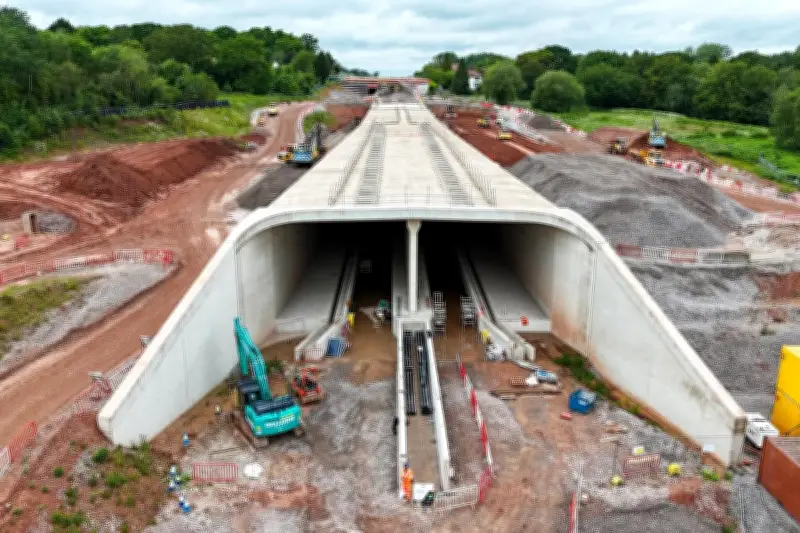
HS2 was originally planned as a Y-shaped network linking London, Birmingham, and the North of England. Phase 1, connecting London to Birmingham, is under construction and expected to open between 2029 and 2033. Phase 2 was split into 2a (Birmingham to Crewe) and 2b (Crewe to Manchester and the East Midlands). The cancellation affects the western leg to Manchester and the eastern leg to Leeds, which was already scrapped in 2021.
Why Was Phase 2 Cancelled?
Prime Minister Sunak cited "eye-watering" costs as the primary reason. The project's budget had ballooned from an initial estimate of £32.7 billion to over £100 billion, adjusted for inflation. Sunak stated, "The economic case for HS2 has fundamentally changed. We must be honest with the public about what is achievable." Critics argue the decision undermines the government's 'levelling up' agenda, which aimed to reduce regional inequalities.

What Happens to Birmingham's HS2 Infrastructure?
Birmingham Curzon Street station, the city's new HS2 terminus, is already under construction and will still serve Phase 1 trains to London. However, the planned connections to the North are now scrapped, leaving Birmingham as the line's northernmost point. This has raised concerns that the city may not fully benefit from the investment, as the original vision of linking the Midlands to northern cities is abandoned.
What Are the Alternatives?
The government has pledged to reinvest £36 billion saved from HS2 Phase 2 into other transport projects, including Northern Powerhouse Rail, local bus services, and road improvements. However, transport experts argue that these alternatives lack the capacity and speed of a dedicated high-speed line. Andy Burnham, Mayor of Greater Manchester, called the decision "a betrayal of the North," adding, "We have been promised a world-class rail network for decades, and each time we are let down."
What Does This Mean for Birmingham?
Birmingham's economy had been banking on HS2 to attract businesses and create jobs. The cancellation of Phase 2 may diminish the city's role as a transport hub. Local leaders are now urging the government to ensure that the remaining Phase 1 investment is maximised and that Birmingham is not left as a 'stub end' of a truncated line. Councillor Ian Ward, leader of Birmingham City Council, said, "We must now focus on delivering the best possible connections to the North via existing rail upgrades and new services."
Political Fallout
The decision has divided opinion. Some Conservative MPs in the North have voiced anger, while others support the move as fiscally responsible. Labour has accused the government of mismanagement, with Shadow Transport Secretary Louise Haigh stating, "This is a colossal waste of public money. The government has no coherent plan for transport." The cancellation also raises questions about the future of HS2's rolling stock and technology contracts, which were set to create jobs in the Midlands.
Conclusion
The HS2 saga is far from over. While Phase 1 continues, the project's reduced scope leaves a legacy of unfinished ambition. Birmingham now faces the challenge of adapting to a scaled-down reality, with the hope that alternative investments can still deliver improved connectivity. The coming months will reveal how the government intends to bridge the gap between its rhetoric and the region's transport needs.