The FA Cup Statistic That Will Astonish Football Supporters
West Bromwich Albion's journey in the FA Cup has been marked by memorable moments, yet a recent revelation about their semi-final record is set to surprise fans across the football community. While it has been years since the Baggies enjoyed a deep run in the competition, their historical performance places them among the elite clubs in terms of semi-final appearances.
A Look Back at Albion's FA Cup History
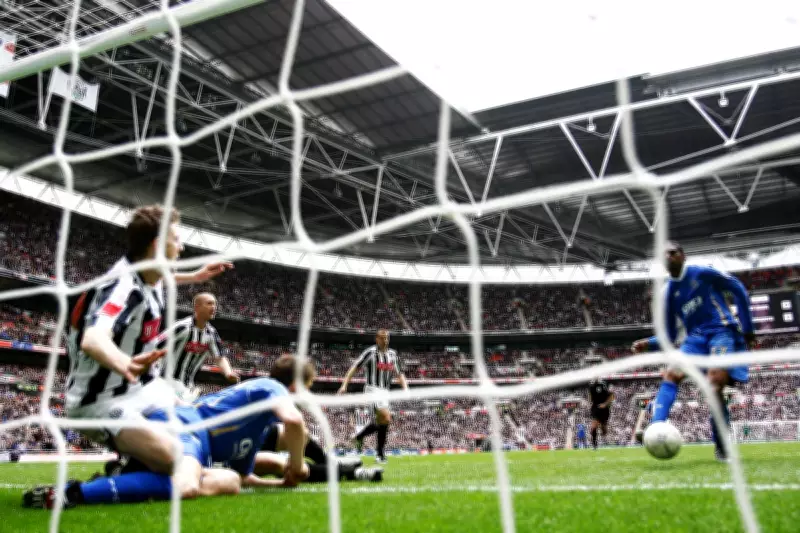
The last significant FA Cup campaign for West Brom was under manager Tony Pulis, featuring a notable clash with rivals Aston Villa. Before that, the 2008 semi-final remains etched in the memories of supporters, evoking mixed emotions of pride and disappointment. That match at Wembley Stadium marked Albion's most recent appearance in the semi-finals, highlighting a prolonged gap in their cup success.
However, statistics uncovered after the recent FA Cup quarter-finals, where Southampton advanced as the Championship's sole representative by defeating Arsenal, reveal a startling fact. West Bromwich Albion holds the ninth position on the all-time list for FA Cup semi-final appearances, with a total of 20. This places them ahead of many prominent clubs, showcasing their historical prowess in the tournament.

Comparing with Other Football Giants
In comparison, Aston Villa have 22 semi-final appearances, while Liverpool and Everton lead with 25 and 26 respectively. Despite not reaching the semi-finals since 2008, Albion's consistent presence in the past underscores their legacy in English football. The club has secured victory in the FA Cup on five occasions, with the most recent triumph occurring in 1968 against Everton.
Reflecting on earlier decades, West Brom faced Tottenham Hotspur in a two-legged semi-final during the 1980s, and also competed against Queens Park Rangers and Ipswich Town in the 1970s. Their dominance extended back to the 1880s, when they achieved four consecutive semi-final appearances, demonstrating a rich tradition in the competition.
This statistic not only shocks Albion fans but also serves as a reminder of the club's enduring impact on FA Cup history, even during periods of relative quiet in recent years.