Finding your next vehicle through an auction can be a thrilling way to get on the road. Thousands of motors are available every week, ranging from small city cars to rare and expensive collectables. If you understand the process, this is often one of the most cost-effective ways to pick up a used car. However, there are several vital details people should consider before committing any funds to a second-hand purchase. Cameron Richards explains exactly what happens during the bidding process. This overview will help you, as the car buyer, feel prepared before you step into the auction room.
Where to go
Car auction sites are found right across the UK, so it is wise to check for your nearest branch before setting off. One of the biggest firms is British Car Auctions, or BCA, which provides a full list of locations on its website. For example, those living in Hampshire might visit the Blackbushe site in Camberley, while people in London or Kent could try Enfield or Crawley. You can register with these companies online to view upcoming digital lists of vehicles scheduled for sale. Other popular firms include Iconic Auctioneers, Collecting Cars, and H&H Classic. Consider looking at listings from Car and Classic, Manheim, or Aston Barclay.
On the day
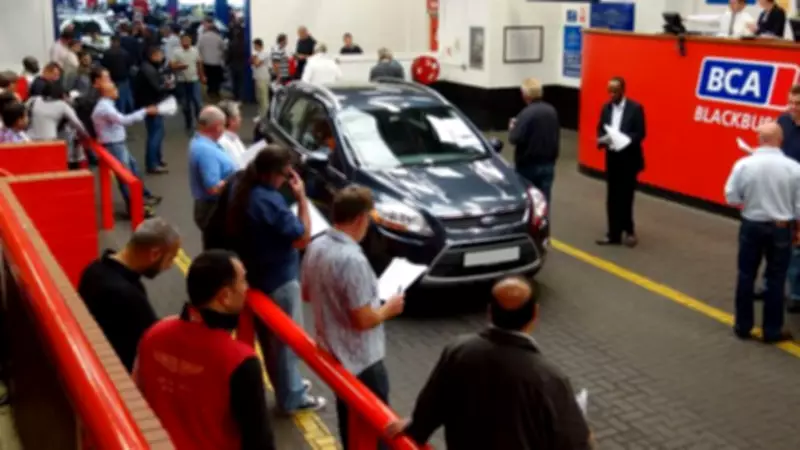
Visiting the site in person gives you a great chance to inspect the vehicles before the bidding begins. The staff will provide a catalogue with descriptions of each car, including its service records, previous owners, and any known mechanical issues. Rob Hubbard, auctioneer at Iconic Auctioneers, said: "Viewing the cars in person is an important factor. Photographs and videos in the catalogue are useful, but nothing replaces seeing the vehicle in the metal. When you assess the condition; look closely at the bodywork and interior and get a sense of how well it has been looked after, also assess the engine bay, wheel arches and underside." When the event starts, cars are driven into the room in the order they appear in the guide. The auctioneer will suggest a starting price and wait for someone to signal their agreement to pay it. Potential buyers then offer higher amounts until the bidding stops. The auctioneer confirms the sale to the highest bidder with a strike of the gavel, which sets the 'hammer price'. For those new to the environment, Hubbard said: "My first piece of advice is simple: come along and watch a sale before you plan to bid. Spend an hour in the room, and you will quickly get a feel for how things work."
Place a bid
Before you raise your hand, make sure you have checked the car's current value to ensure you do not spend too much. You will often see several versions of the same model, so look at the whole collection before the sale starts. Hubbard suggests that staying disciplined with your finances is the best approach. "Setting a clear budget is one of the best ways to approach bidding. Auctions can move quickly, and the atmosphere in the room can be exciting, so it helps to decide in advance what the car is worth to you and stick to that figure." If you decide to buy, make sure your signal is clear by raising your hand or nodding to the auctioneer. This ensures they don't miss your interest during the fast-paced bidding. If you are successful, most firms will require a 10% deposit immediately, with the remaining balance due within 24 hours. You must also factor in a buyer's premium, which is usually an additional 5% of the final price.
Auction benefits
These events offer a vast selection of vehicles in one place without any pressure from sales staff. It is a much more relaxed way to shop compared to traditional dealerships. You can often buy a car for significantly less than you would pay on a retail forecourt. Because the vehicle has not been refurbished by a garage, people who know what to look for can find a real bargain.
Buyer beware
One downside is that you are not allowed to take the car for a test drive before you buy it. This means you cannot check for any unusual noises or handling issues on the road. You also cannot bring a mechanic to perform a full inspection before the car enters the ring. Your best bet is to ask the driver whether the car starts easily and whether the clutch feels normal. Most auction cars do not come with a warranty unless a manufacturer's guarantee is still in effect. This means you are responsible for any repair costs if something goes wrong later. Finally, these vehicles are rarely cleaned or repaired before they are sold. You should expect some minor bodywork marks and the interior may need a professional valet after you get it home.
READ NEXT
- Why hundreds of motorists were barred from Motability
- Private parking firms slap drivers with nearly 48k tickets every day
- Easy pre-MOT car checks: How to pass the annual inspection