Prime Minister Andy Burnham has confirmed that the Government's new £2 cap on bus fares across England will be funded through savings elsewhere in the budget, without any increase in taxes. The scheme, set to begin in January, will reduce the maximum price of a single bus journey from £3 to £2, potentially saving regular passengers hundreds of pounds annually and helping millions cope with the rising cost of living.
Funding Without Tax Increases
Chancellor John Healey stated that the policy would be financed through savings made elsewhere in government rather than through higher income tax, national insurance, or VAT. He argued that the fare cap aims to put money back into people's pockets while maintaining a responsible approach to public finances. According to the Treasury, the £454 million needed for the scheme will come from a combination of departmental savings and changes to existing spending commitments.
Around £400 million is expected to be found through adjustments to international climate finance spending, with the remaining funding sourced from efficiencies within the Department for Energy Security and Net Zero.
Prime Minister's Statement
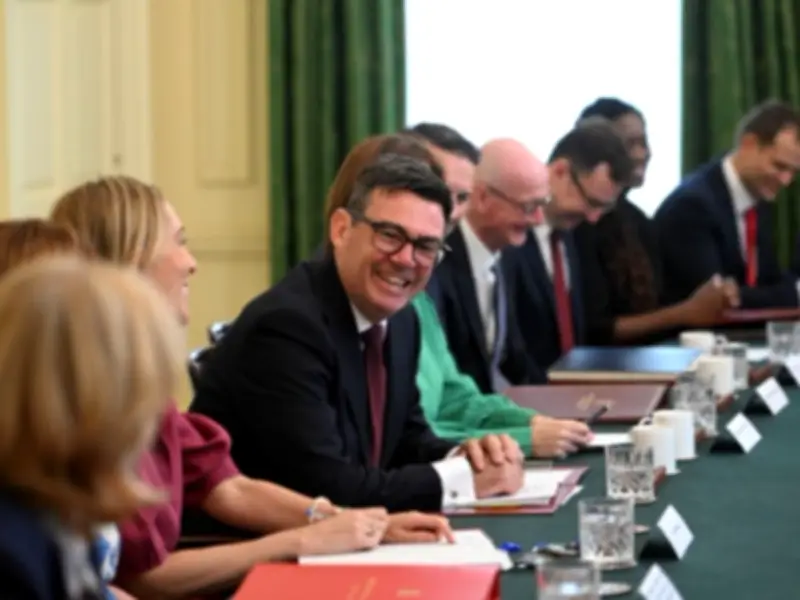
Prime Minister Andy Burnham said: "As I said on my first day in office – I will build a country for everyone, everywhere. That means more connected communities, better access to opportunities, and a lighter load on people’s lives." Officials say this approach allows the Government to deliver the fare reduction without increasing the overall tax burden on households. The Treasury argues that the policy is being financed by reprioritising existing budgets rather than raising additional revenue from taxpayers.
Balancing Cost-of-Living Support
The announcement comes as ministers attempt to balance cost-of-living support with pressure to keep borrowing under control. Economists have noted that governments can fund new policies either by raising taxes, increasing borrowing, or reallocating money from other areas of spending. In this case, ministers are emphasising the third option.
The £2 fare cap is expected to apply across England on participating bus services from January. The Government hopes cheaper travel will encourage more people to use public transport, reduce congestion, and make it easier for workers, students, and families to access jobs, education, and essential services. Further details on the scheme, including the routes and operators that will take part, are expected to be published before the cap comes into force.