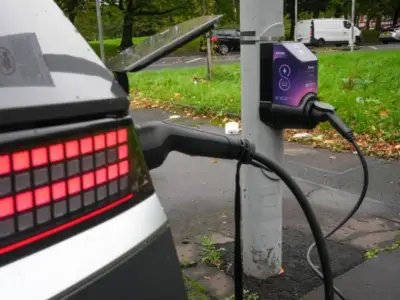
From 1 October, households in England with driveways will benefit from a temporary removal of VAT on electricity bills, a move announced by Andy Burnham as part of his plans to tackle the cost of living. The change means EV drivers will save between 24p and 78p per charge on average, potentially adding up to £65 annually for those who charge a 100kWh battery once a week.
How the VAT Cut Works
Currently, the energy price cap for households on a standard variable tariff from 1 July to 30 September is 26.11p per kWh. At this rate, charging a 100kWh EV from empty to full costs £26.11. With the 5% VAT reduction, the cost drops to approximately £24.87, saving about £1.24 per full charge. For those on dedicated EV tariffs with ultra-low off-peak rates, the cost to recharge could be as low as £7.
Annual Savings Add Up
According to Carwow, while the per-charge saving may seem modest, it accumulates over the year. Charging a 100kWh EV from empty to full once a week could save around £65 annually. Households with multiple electric cars or drivers covering high mileages could save even more.
Criticism Over Public Charging Disparity
However, the VAT cut applies only to household electricity. Drivers who rely on public charging networks will continue to pay the standard 20% VAT rate on charging sessions. John Lewis, chief executive of char.gy, said Burnham's tax cut 'throws the unfairness of the current VAT system into even sharper focus.' He added: 'Drivers who rely on public charging, often because they don't have a driveway, will still pay 20 per cent VAT for exactly the same electricity. If Government is serious about making the EV transition work for everyone, the next step has to be equalising VAT on public charging. The electricity is the same. The tax treatment should be too.'