Home EV Charging Costs Plummet with New Ofgem Price Cap
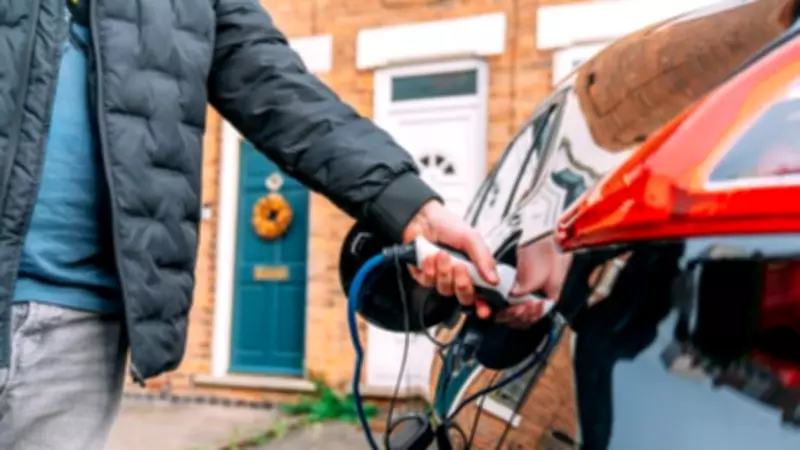
The cost of powering your electric vehicle at home is set to become substantially more affordable following a major update from the energy regulator Ofgem. This significant reduction to the price cap dramatically widens the savings gap between environmentally friendly electric driving and traditional petrol or diesel vehicles. The latest figures confirm that the nation's shift toward electric motoring is accelerating at an impressive rate, with more than 1.85 million electric vehicles now travelling on British roads.
Record-Breaking Year for Electric Vehicle Adoption
Last year marked a monumental period for electric motoring across the United Kingdom, with nearly half a million new battery-electric vehicles joining the nation's roads. Official data from the Society of Motor Manufacturers and Traders reveals that 473,348 electric cars were registered during 2025, representing a massive 24% increase that pushed the EV market share to an unprecedented 23.4%.
Clear Financial Advantage for Household Budgets
If you are considering making the switch to electric motoring, the financial incentive has rarely appeared more compelling for your household budget. Experts at car finance lender Carmoola have emphasised that home charging provides a clear and substantial cost advantage over traditional fossil fuels.
How the New Price Cap Affects Your Monthly Expenses
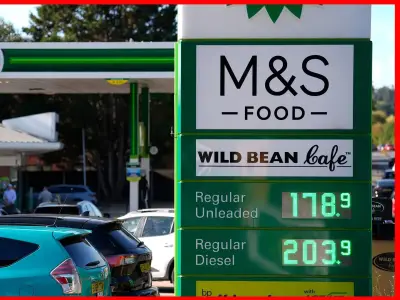
Based on the typical British monthly mileage of 592 miles, charging an electric vehicle at home currently costs approximately £44. In direct comparison, you would likely spend £92 on petrol or £98 on diesel to cover exactly the same distance. When the new energy cap officially begins on April 1, a full 71.1kWh charge will drop to approximately £17.54. This maintains electric running costs at roughly half of what the average UK petrol and diesel owner currently spends at fuel pumps.
Expert Analysis on the Strengthening EV Economics
The team at Carmoola suggests that the combination of record adoption levels and falling prices makes the transition to electric vehicles smoother and more accessible for families across the country. Aidan Rushby, founder and CEO of Carmoola, stated: "Ofgem's reduction of the energy price cap is encouraging news for the UK's growing EV community. Many drivers consider total monthly costs when deciding which vehicle to purchase, and electric remains the most cost-effective fuelling option available."
He further elaborated: "With EV adoption reaching record levels and home charging costs now lower than ever, the economics of going electric are stronger than they have ever been. Households can save even more money by charging during off-peak periods, making electric vehicles both affordable and flexible for everyday use. For drivers contemplating their next vehicle purchase, this announcement highlights the substantial financial benefits of considering a switch to electric transportation."
Understanding the Research Methodology
To reach these definitive conclusions, researchers utilised the standard charging formulas provided by Zapmap, a government-certified resource for electric vehicle information. They assumed an average battery capacity of 71.1kWh and a range of 236 miles based on comprehensive current market data. Efficiency was calculated at approximately three miles per kWh, which represents the standard for most modern electric cars available today. Comparison petrol costs were carefully sourced via FleetNews to ensure the data accurately reflects the real-world prices consumers encounter at fuel forecourts throughout the United Kingdom.