New Energy Price Cap Raises EV Home Charging Costs
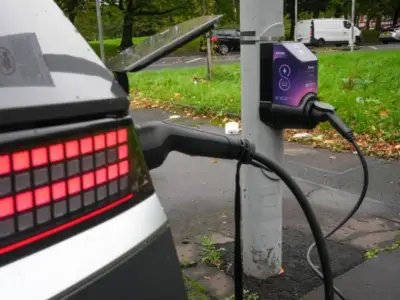
Drivers of electric vehicles now face a new £15.67 charge to fully charge a 60kWh car at home, following the Ofgem energy price cap increase that took effect on July 1. The maximum energy cost has risen from 24.67p/kWh to 26.11p/kWh, adding an extra £1.87 per full charge compared to the previous quarter.
Electrifying.com, a leading EV advice site, calculated the impact: “Let’s take a 60kWh EV as an example – a full charge at the default rate from April to June 2026 would have cost £14.80. That has now increased to £15.67.” The site emphasised that home charging remains far cheaper than public alternatives, noting that the same charge on an average 7kW public AC charger would cost £33 at 55p/kWh, or £48 on a DC rapid charger at 80p/kWh.
Savings Possible with Off-Peak Tariffs
Despite the increase, significant savings are available for drivers who shop around. Electrifying.com advised: “Shopping around for a variable tariff is absolutely still worth it – some deals mean you can charge your electric car overnight during off-peak hours for as little as 8p per kWh, which would mean a full charge of our mythical 60kWh EV at £4.80.” This represents a potential saving of over £10 per charge compared to the default rate.
The actual cost to charge an EV at home depends on the battery size, driving mileage, and whether the driver also uses public charging points. Money Saving Expert, founded by Martin Lewis, explains: “The cost to charge your EV at home depends on its battery size, how many miles you drive, and whether you top-up at public charging points.”
Martin Lewis Urges Drivers to Consider Total Costs
The 54-year-old BBC and ITV star cautioned drivers to remember that the charging cost is only part of the overall energy bill. “Remember, this is only the cost of charging your EV – you still need to pay for household electricity costs, gas (if you use it), and the daily standing charges,” he said. He added that electric cars are generally much cheaper to run than petrol or diesel cars, with the biggest savings coming from fuel costs.
However, finding the best EV tariff can be challenging. EV tariffs typically offer different rates at different times of day, making them too complex for standard comparison sites. Drivers are encouraged to research dedicated EV energy tariffs to maximise savings.