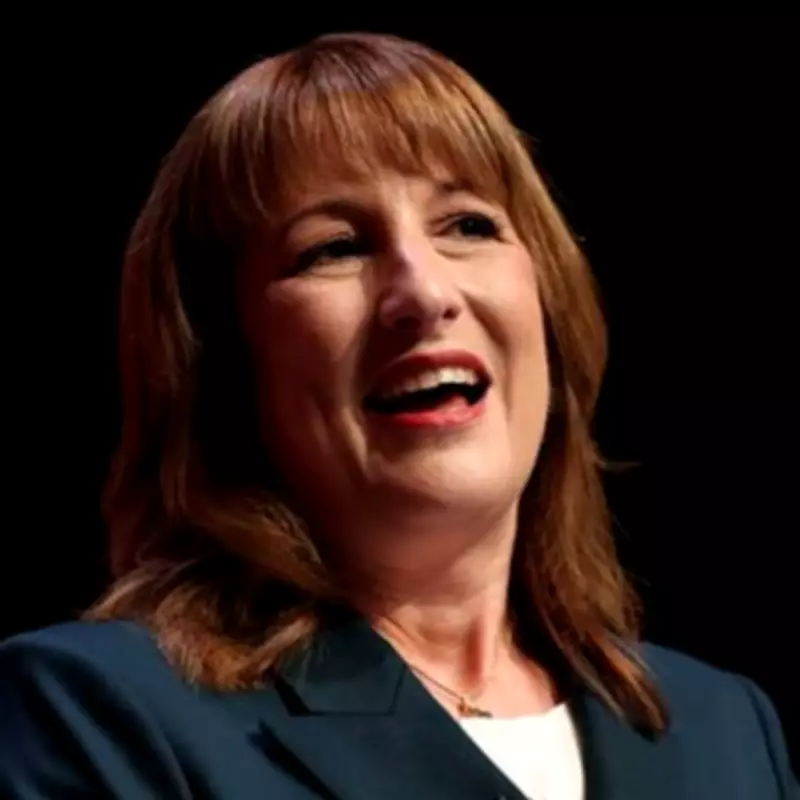
Chancellor Rachel Reeves has approved a plan to introduce a 3p-per-mile car tax rate for electric vehicle (EV) drivers starting in 2028. This move could result in an annual charge of £267 for drivers covering 9,000 miles, according to government figures.
Impact on Electric Vehicle Adoption
New pay-per-mile taxes risk undermining confidence in electric cars, potentially pushing drivers to stick with petrol and diesel vehicles. Data from YouGov reveals that 55% of people considering a new car are still looking at petrol engines, while only 37% are considering an electric vehicle.
John Wilmot, founder and CEO of LeaseLoco.com, warned that the tax could deter motorists from switching to eco-friendly models. He said: "One of the massive benefits to driving an electric vehicle was that it was far cheaper to run than a petrol or diesel car, but a pay-per-mile tax risks eliminating that advantage, which could make drivers think twice about switching any time soon."
Mixed Messages from Government
Mr. Wilmot noted that drivers are already receiving "mixed messages" from the government regarding EVs. "We want people to switch to electric cars, but they're dealing with limited charging infrastructure and other rising costs, which can leave them questioning whether it's even worth it," he added.
According to Department for Transport (DfT) figures, battery electric cars were driven an average of 8,900 miles in 2024. At 3p per mile, that would generate £267 per vehicle annually. Mr. Wilmot cautioned: "A pay-per-mile tax could, unfortunately, slow down the progress of the government's net zero goals. Lower running costs were a huge part of the incentive for going electric. Taking that away risks stalling the momentum we have built by giving people confidence in electric vehicles."
Industry Concerns
As a leasing company executive, Mr. Wilmot observed growing interest in electric options but expressed concern that the tax could cause hesitation. "Understandably, drivers want clarity before committing to making the switch to electric, and it's hard to have confidence when the rules and the costs keep changing," he concluded.