Rachel Reeves Faces Backlash Over New Pay-Per-Mile Electric Vehicle Tax Rule
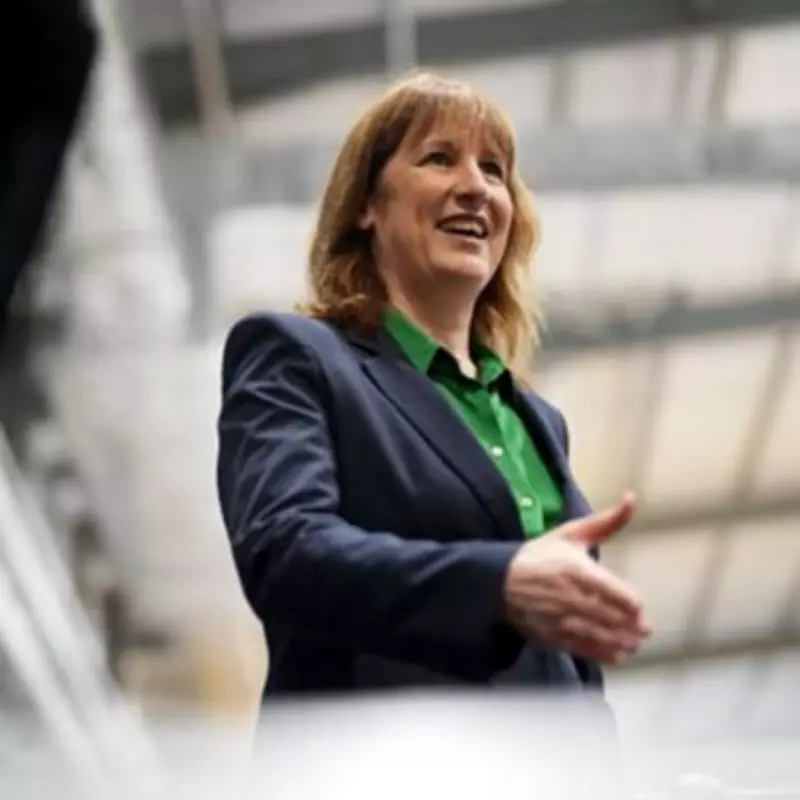
Chancellor Rachel Reeves has confirmed the introduction of a new pay-per-mile tax rule for electric vehicles, set to launch in 2028, but the decision has drawn significant criticism from motoring experts who argue the timing is premature.
Controversial Autumn Budget Announcement
In the Autumn Budget, the Labour Party Chancellor announced that electric vehicle drivers will face a pay-per-mile charge starting in 2028. This new tax, officially called electric Vehicle Excise Duty (eVED), will require EV owners to pay approximately 3 pence per mile in addition to existing Vehicle Excise Duty road tax.
Plug-in hybrid vehicles will be charged about half that rate under the new system. The government has emphasized that eVED will not require tracking devices in cars and will operate alongside the traditional road tax system without creating a completely new tax infrastructure.
Motoring Expert Warns of Premature Implementation
Shahzad Sheikh, founder and presenter of the YouTube channel @BrownCarGuy, has been particularly vocal in his criticism, stating that Reeves has "pulled the trigger too soon" on the new car tax fees. He points out that combustion engine vehicles still dominate UK roads, with electric vehicles representing less than 5% of the total vehicle fleet.
"There are just under two million EVs on the road today, but there's 42 million vehicles in total," Sheikh noted. "Internally, the fear is simple: stack too many costs on EV ownership and the economic argument starts to collapse completely."
Revenue Concerns Driving Policy Change
The policy shift comes as the treasury faces a potential revenue shortfall estimated in the tens of billions of pounds. As petrol and diesel sales decline with the transition to electric vehicles, the government loses significant fuel duty income that traditionally funds road infrastructure and general government spending.
The Office for Budget Responsibility has already warned that this policy could reduce electric vehicle sales by hundreds of thousands over the next five years, potentially slowing the transition to cleaner transportation.
Government Justification and Consultation
The government has defended the policy, stating: "eVED will ensure all car drivers contribute, but will still maintain important incentives to switch to an electric vehicle." Officials have emphasized that the rate will be set at half of the equivalent fuel duty rate for electric cars and half again for plug-in hybrids.
A consultation process is currently underway to determine the specific details of the scheme, with the government inviting public feedback on the proposed implementation.
The controversy highlights the delicate balance between encouraging electric vehicle adoption and maintaining essential transportation funding as the UK continues its transition away from fossil fuel-powered vehicles.