West Midlands Combined Authority Backs Major EV Charging Expansion
A significant £14.5 million initiative to install thousands of electric vehicle charging points across the West Midlands has received approval, despite several concerns being raised by local officials. The West Midlands Combined Authority's Investment Board has agreed to proceed with the scheme, granting delegated authority to senior officers to finalize a business case and negotiate contracts with suppliers.
Political Concerns and Opposition
However, the decision was not unanimous. Jim O'Boyle, Cabinet Member for Jobs, Regeneration and Climate Change at Coventry City Council, voted against the proposal. He expressed frustration over the allocation of funds, stating that Coventry had already successfully implemented over 2,500 charging points without additional costs for agreements and contracts. O'Boyle highlighted that around £300,000 would be spent on staff recruitment, which he deemed unacceptable, arguing that Combined Authority officers lack direct public accountability.
Walsall Council leader Mike Bird also voiced reservations, suggesting that charging stations might be more suitable than on-street points. He cited resident opposition in Walsall, where proposals faced backlash due to concerns about cars parking outside homes all day. Bird emphasized the need for greater political involvement, noting that elected members should review business cases to ensure accountability for both successes and failures.
Project Details and Objectives
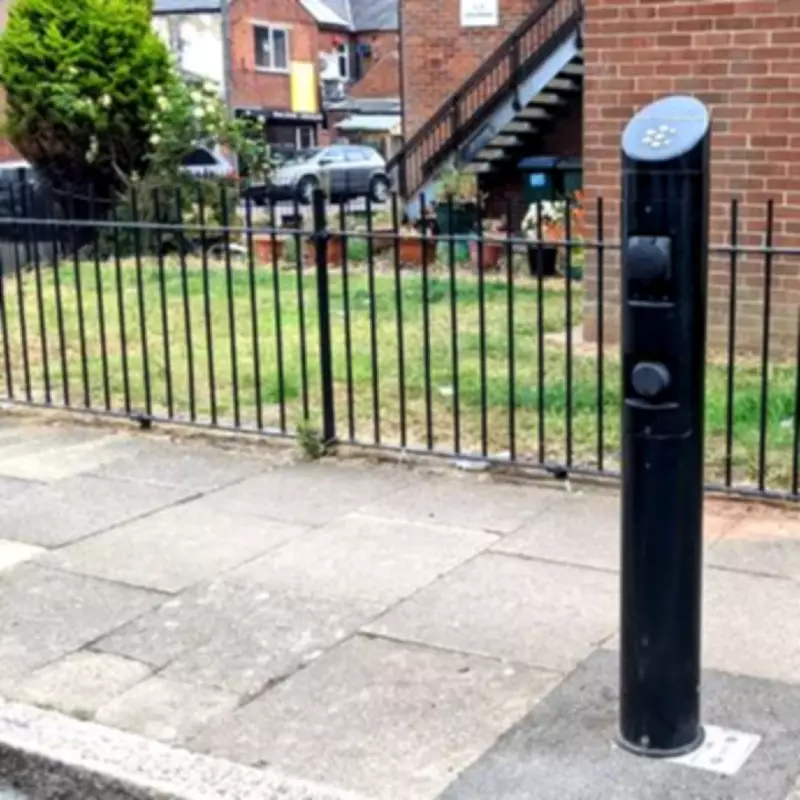
The initiative aims to deliver 9,500 electric charging points across the region, generating revenue for local authorities. According to a report to the Board, the funds will primarily benefit residents without off-street parking, while also accommodating tourists, customers, commuters, taxis, and commercial vehicles. The main goals are to significantly increase the deployment of low-power, on-street EV charging infrastructure and accelerate commercial investment in the sector.
Andrew Page of Transport for West Midlands defended the need to employ staff to manage accounts and ensure local authorities receive revenue from the charging points, though he declined to comment on governance arrangements. The project represents a key step in supporting the transition to electric vehicles, addressing infrastructure gaps and promoting sustainable transport options in the West Midlands.