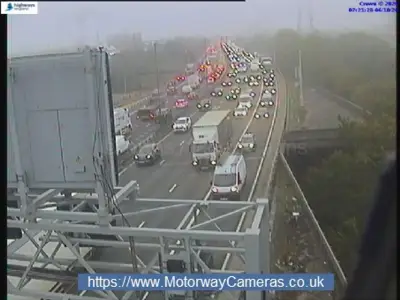
A controversial proposal to introduce new speed limits on motorways in England has been met with fierce criticism. The Institute for Public Policy Research (IPPR) has urged the Labour Party government to lower speed limits to 20mph in urban areas and 60mph on motorways, arguing that such measures would help combat rising fuel prices caused by the Iran conflict and reduce demand.
Expert Backlash
However, motoring experts have slammed the advice as “ridiculous and unnecessary”. Scott Dixon, a motoring disputes expert, stated: “Soaring fuel prices are actually reducing fuel demand and speeds on motorways as hard-pressed motorists are looking to save money wherever possible.” He emphasised that drivers are already adapting their behaviour without the need for government intervention.
Edmund King, president of the AA, echoed these sentiments. He noted that the AA has already urged drivers to cut out shorter car journeys and walk or cycle instead to save cash. “Almost one-fifth of AA members are already doing this,” King added. “On balance, drivers can help themselves rather than having lower limits imposed.”
Thinktank's Perspective
William Ellis, a senior economist at the IPPR, defended the proposal, stating: “The UK cannot afford to sit back and let another energy shock drive up inflation and damage the economy. The UK economy and public finances are expected to take a significant hit from the Iran conflict, regardless of whether the government intervenes.”
The IPPR further argued that reducing speed limits would save drivers money and reduce the risk of inflation. “There are clear inflation benefits to reducing the cost of fuel. But if you do that alone, you remove the incentive to use less of it,” the thinktank said. “Drivers who have changed behaviour and economised because of recent higher prices would simply go back to driving as before. So the question is how else can you send a clear signal to save fuel – given that there is simply not enough fuel available on the international market for everyone to drive as fast as they want. Motorists get more miles to the gallon at lower speeds.”
Current Situation
Despite the IPPR's recommendations, many argue that market forces are already achieving the desired effect. With fuel prices at record highs, motorists are voluntarily reducing their speeds and cutting down on unnecessary journeys to save money. The debate continues as the government weighs the potential benefits of imposed speed limits against the backlash from drivers and motoring organisations.