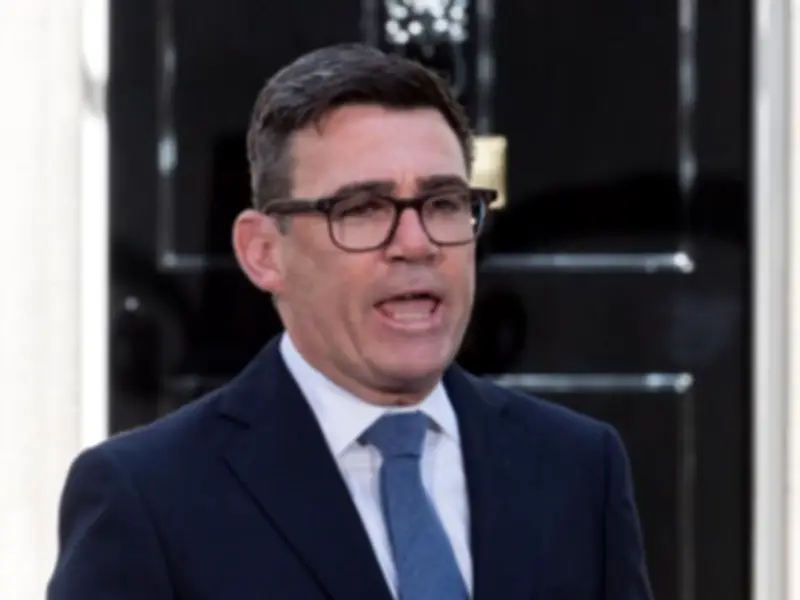
Prime Minister Andy Burnham has said the Government's decision to introduce a £2 cap on bus fares was prompted by concerns that some passengers were paying as much as £10 for a single journey. The nationwide scheme, due to begin in January, will reduce the maximum single bus fare from £3 to £2 on participating services across England. Ministers say the measure will make everyday travel more affordable for millions of people while helping ease cost-of-living pressures.
Why the £2 cap was introduced
Announcing the policy, Mr Burnham said he had been struck by the cost of some bus journeys, with fares in parts of the country reaching around £10 for a single trip. He argued that such prices were putting public transport beyond the reach of many people and discouraging bus use. The Prime Minister said affordable public transport should not be a luxury, adding that people should be able to travel to work, college, medical appointments and visit family without facing what he described as excessive fares.
Expected benefits and savings
The Government believes the new cap will save regular passengers hundreds of pounds over the course of a year, particularly those who rely on buses for their daily commute. Officials also hope the lower fares will encourage more people to switch from cars to buses, helping reduce congestion and improve air quality. Mr Burnham said: "Lower fares will help people get to where they need to – giving them breathing space to help with the cost of living."
Funding and wider improvements
The £2 cap is backed by £454 million in government funding and forms part of a wider programme to improve bus services across England. Ministers have also pledged to work with local authorities and operators to improve reliability, expand routes and strengthen transport links between communities. Transport groups have welcomed the move, saying lower fares could encourage more people back onto buses after years of declining passenger numbers in some areas. They argue that affordable public transport is essential for supporting local economies and connecting people with jobs and education.
Implementation timeline
The fare cap is expected to come into force in January, with further details on participating operators and eligible routes to be confirmed before the scheme begins. Ministers say the policy is intended to ensure that no one is forced to pay the kind of £10 fares that prompted the Government to act.