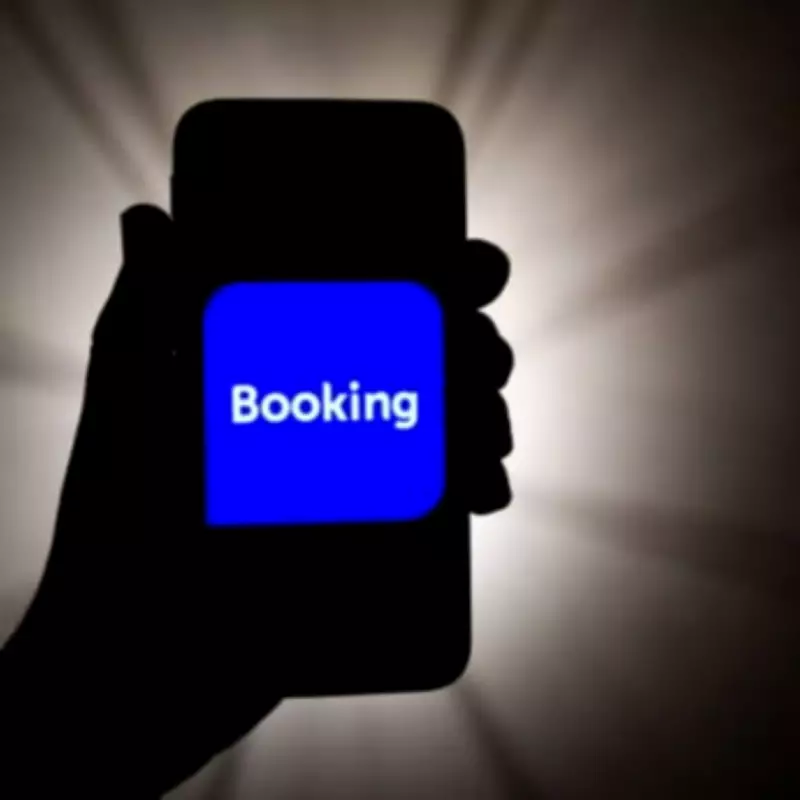
Booking.com users have been warned about a specific type of email landing in their inboxes. The alert follows a recent data breach that affected the hotel reservations platform.
Data Breach Details
A spokesperson for Booking.com stated: "At Booking.com, we are dedicated to the security and data protection of our guests. We recently noticed some suspicious activity involving unauthorised third parties being able to access some of our guests' booking information."
Upon discovering the activity, the company took immediate action to contain the issue. They updated the PIN numbers for affected reservations and informed guests. Importantly, financial information and physical addresses were not accessed from Booking.com's systems.
Phishing Warning
The company emphasized: "Booking.com will never ask guests to share credit card details by email, over the phone, WhatsApp or text, or ask guests to make a bank transfer that is different from the payment policy details in their booking confirmation."
Now, the team at comparison site The Business Hub has urged people to remain vigilant online. Chief Technology Officer Andy Pickett commented: "The recent Booking.com 'reservation hijacking' scandal provokes a lot of questions from a cybersecurity point of view. It would be really interesting to know what layers of security Booking.com had in place, but also whether this was more of a people and process issue than a pure technology failure."
Summer Holiday Risks
With summer holidays approaching for UK households in June, July, and August, the warning is timely. Mr. Pickett advised: "Never click links or download attachments from unexpected or urgent emails. Always navigate directly to official websites rather than using email links."
He also added: "Be cautious about what information is shared online. Any sensitive information could help hackers fake legitimacy to gain your trust."