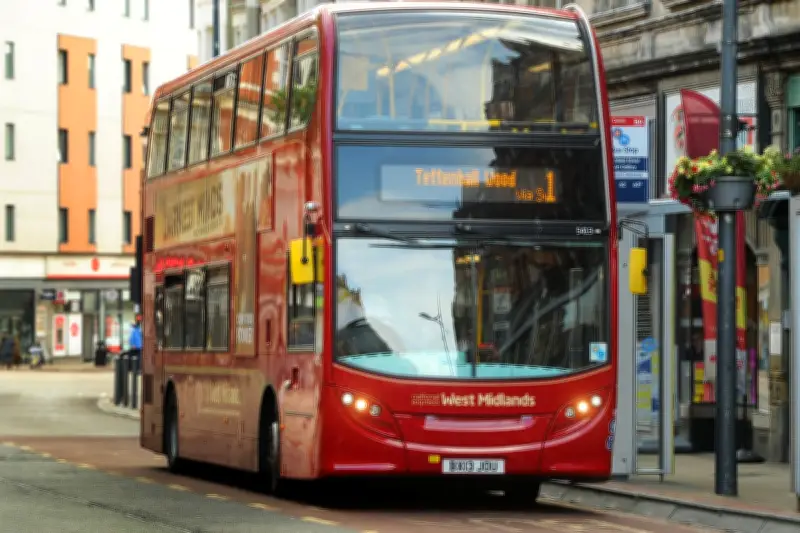
West Midlands buses are set to be brought under public control in a landmark decision that aims to save thousands of jobs and overhaul the region's transport network. The move, confirmed by the West Midlands Combined Authority (WMCA), will see the bus network become the first in the UK to be franchised under new powers granted by the government.
What the Franchising Means
Under the franchising model, the WMCA will take control of bus routes, timetables, and fares, rather than private operators deciding these. The authority will set standards for services, including frequency and cleanliness, and will be able to hold operators to account. This is expected to lead to a more integrated and reliable network, with the potential for simpler ticketing and better connections with other transport modes.
The decision comes after a public consultation in which the majority of respondents supported the move. The WMCA estimates that around 4,000 jobs could be protected or created as a result of the change, with the potential for more stable employment conditions for drivers and other staff.
Impact on Jobs and Services
According to the WMCA, the franchising is intended to save thousands of jobs that were at risk due to the previous model, where private operators could cut services or change routes with little oversight. By taking control, the authority can ensure that essential services are maintained, particularly in areas that are currently underserved.
Mayor of the West Midlands, Andy Street, said: "This is a historic moment for public transport in our region. By bringing buses under public control, we can deliver a service that truly meets the needs of our communities, protects jobs, and helps us build back better."
The franchising process will take time, with the WMCA expected to begin the transition later this year. The first franchises are anticipated to be awarded in 2027, with the full network under public control by 2030.
Reaction and Next Steps
The move has been welcomed by transport unions, who have long campaigned for public ownership of buses. Unite the Union's regional officer, Jane Smith, said: "This is a victory for the travelling public and for workers. It marks a shift towards a more accountable and efficient bus service, and we look forward to working with the WMCA to ensure a smooth transition."
However, some private operators have expressed concerns about the pace of change and the potential impact on competition. The WMCA has stated that it will work closely with existing operators during the transition to minimise disruption.
The franchising is part of a broader government initiative to give local leaders more control over transport. It is expected to set a precedent for other regions, with several other combined authorities considering similar moves.
In the coming months, the WMCA will develop detailed plans for the franchising, including the structure of contracts and the standards that operators must meet. This will be followed by a period of public engagement before the final plans are approved.