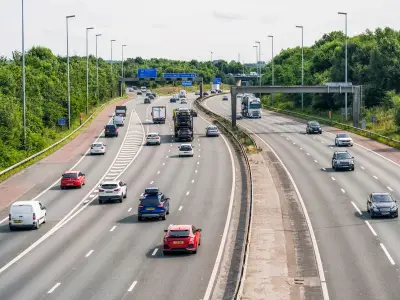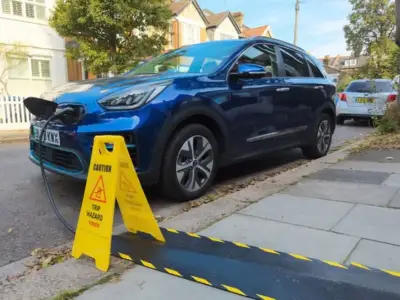
The DVLA car tax exemption for electric vehicles (EVs) has officially ended, leaving EV drivers facing a new £200 flat fee. Since April 2025, EVs are no longer exempt from Vehicle Excise Duty (VED), meaning all EV owners must now pay car tax, with rates depending on the vehicle's registration date.
New Tax Rates for Electric Cars
For electric, zero, or low-emission cars registered on or after 1 April 2025, the first year's tax was £10 (from 1 April 2025). From the second payment onwards, the standard rate of £195 applies. For vehicles registered between 1 April 2017 and 31 March 2025, the standard rate of £195 is payable. Those registered between 1 March 2001 and 31 March 2017 pay a reduced rate of £20.
Fuel Duty and Petrol Prices
Nearly half of what motorists pay for fuel is tax. The current fuel duty rate is 52.95p per litre, but this is set to rise in September 2026. The average price of petrol at the time of writing is 153.2p per litre. Meanwhile, demand for electric vans and cars has accelerated, with over 473,000 electric vehicles registered in 2025, capturing a 23.4% market share. However, the new tax could deter potential EV buyers.
RAC Advice on Tax Changes
The RAC advises that from 1 April 2026, the standard tax rate for all petrol, diesel, or hybrid cars registered after 1 April 2017 rises to £200. For six-month tax payments, the cost is £110, or £105 if paid via direct debit. Monthly instalments over 12 months total £210. Additionally, vehicles with a list price exceeding £40,000 (or £50,000 for electric cars) may incur the luxury car tax, adding £440 to annual VED costs, bringing the total to £640.
Exact road tax fees depend on the car's first registration year, fuel type, and tailpipe emissions. Electric cars no longer qualify for free road tax, and from April 2026, drivers of electric cars under a year old will pay the £200 annual flat rate.