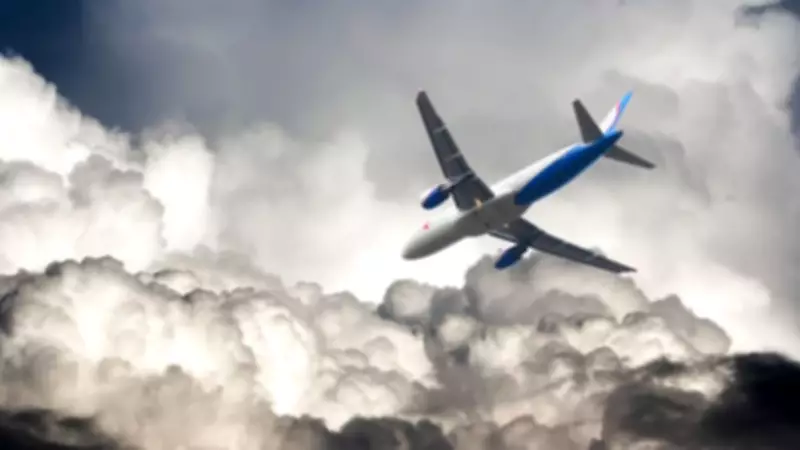
Fear of flying is common, with around 40% of people admitting they feel anxious about boarding a plane. One of the biggest triggers for that fear is turbulence — the sudden bumps and drops that can feel unsettling, especially when you cannot see what is causing them.
That stomach-dropping sensation may feel alarming, but aviation experts stress it is usually harmless. According to one experienced pilot, the key thing passengers should understand is that turbulence is normal, predictable in most cases and something aircraft are designed to handle safely.
Tom Copestake, a Wizz Air pilot based at London Luton Airport, has flown thousands of passengers across more than 750 flights and over 50 countries. He says turbulence often feels worse than it actually is because passengers lack visibility of what is happening around the aircraft.
Why Turbulence Feels Worse Than It Is
“I totally sympathise with people who feel uncomfortable during turbulence, because unlike a pothole on the road when you're driving, you can't see turbulence,” he said. “As a passenger, you can't see in front anyway. I understand that and we don't want to put you in it either if we can avoid it.”
He explained that turbulence is caused by different pockets of air moving and colliding, similar to streams or rivers meeting. While pilots use forecasting systems to identify and avoid rough air where possible, it is not always entirely predictable.
“The basic principle of turbulence is the different pockets of air meeting, a bit like when two bodies of water meet, with a stream and a river,” he said. “It can be difficult to predict, although we do have some systems that help us understand where it might be and pilots talk to each other on the radio just to explain where they are and if it's bumpy. So we try to avoid it by climbing or descending.”
Aircraft Are Built to Handle Turbulence
However, he stressed that even when turbulence does occur, aircraft are designed to handle it safely and it is more about discomfort than danger. “We can handle turbulence, the plane can take it, it's just a little bit uncomfortable,” he said.
Seating Tip to Reduce Bumps
For anxious passengers, he also shared a simple seating tip that may help reduce the sensation of bumps during a flight. “If you think of a plane a bit like a seesaw, it kind of pivots around, so if you sit more in the middle, you'll experience the effects of turbulence just a little bit less than if you sat right at the rear or at the front. We (pilots) sit right at the front, so we feel turbulence as well,” he explained.
Turbulence During Take-Off and Landing
Turbulence is not limited to cruising altitude either. It can also occur during take-off and landing, often due to weather and terrain effects around airports.
Tom explained: “If you think about an airport itself, there's a massive runway, this huge flat area and right next to it are all these terminal buildings and hangars. So the wind going across the flat bit hits the building and then starts to tumble.”
Weather conditions can also play a role. In warmer months, heat rising from the ground can create what pilots call thermal turbulence. “So you could have a really smooth flight, and as you descend, just about to land, it starts getting a little bit bumpy, as the ground releases its heat,” he said. “But that's totally normal, that's ok.” He added that coastal cities can experience additional effects due to contrasting sea and land breezes.
Final Advice for Nervous Flyers
For nervous flyers, his message is simple: turbulence may feel uncomfortable, but it is routine, expected and something pilots are trained to manage.