The Slow Train Saga: HS2's Mounting Troubles
The High Speed 2 (HS2) project, once heralded as Britain's transport revolution, has become a symbol of infrastructure woes. Announced seventeen years ago in January 2009 by Lord Adonis of the Labour government, the ambitious plan has since been pared down dramatically while costs have skyrocketed beyond initial estimates.
From Grand Vision to Scaled-Back Reality
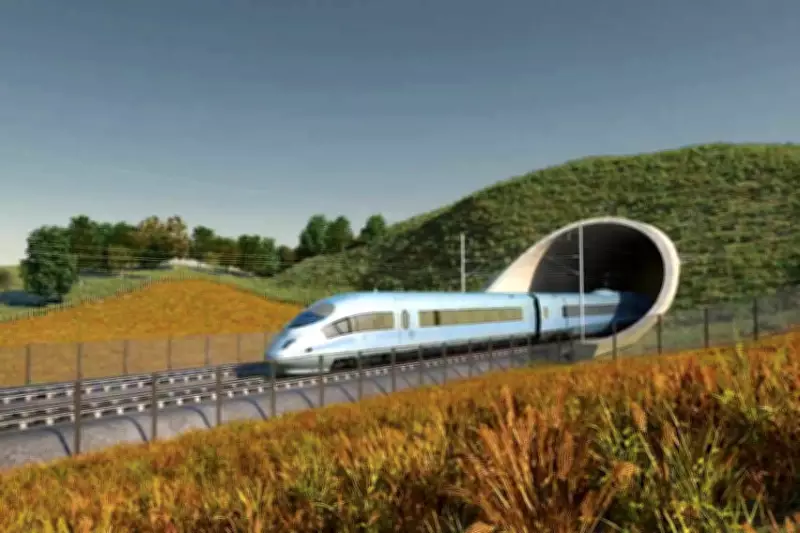
Originally envisioned as a comprehensive network spanning over 330 miles of track with connections from London to Birmingham, Manchester, Leeds, and beyond, HS2 has been reduced to just the 140-mile line between London and Birmingham. The estimated budget has ballooned from £37.5 billion to potentially exceeding £100 billion, with trains not expected to be operational until after 2033—and possibly not reaching London's Euston station until the 2040s.
What began as a project promising £2.40 of benefit for each pound of public money spent has seen its benefit-cost ratio decline significantly. For the remaining Birmingham-London phase, analysts now calculate the ratio at just above one, meaning the project may barely return more than its enormous cost in economic, social, and environmental benefits.
Leadership and Testing Challenges
The project's leadership has come under scrutiny, particularly with Mark Wild taking over as chief executive in December 2024 with a reported salary between £660,000 and £665,000—approximately four times the Prime Minister's earnings. Wild's background includes four years as CEO of Crossrail and managing director roles at London Underground, but his team faces immediate technical challenges.
Ironically, the trains designed for HS2 may be too fast for practical testing in Britain until the high-speed track is completed. With a maximum designed speed of 225 miles per hour, testing options are limited. One proposed solution involves reducing the speed to 186 mph to allow testing on existing Channel Tunnel tracks, though this would mean the trains would operate slower than originally promised.
Economic Context and Public Perception
The timing of HS2's escalating costs coincides with broader economic pressures, including rising energy and food costs following international conflicts and potential tax increases. Against this backdrop, spending nearly £60 billion more over the next decade for a scaled-back rail service has drawn criticism from analysts and the public alike.
Despite employing around 1,500 people directly and supporting over 29,000 jobs currently, the project faces growing skepticism. Many argue that transportation funding would be better directed toward improving local commuter networks within the West Midlands, creating jobs and building economic resilience against global shocks.
A Historical Comparison
The protracted timeline for completing just 140 miles of high-speed track stands in stark contrast to Victorian Britain's railway achievements, when over 6,000 miles of network were built across the country in a comparable timeframe. This comparison highlights the project's inefficiencies and has led some commentators to suggest HS2 deserves inclusion in collections of "heroic failures."
As construction continues on sections like the viaduct over the M6 near Chelmsley Wood, the public watches what has become, for many, an ongoing farce—a high-speed rail project moving at anything but high speed toward completion.