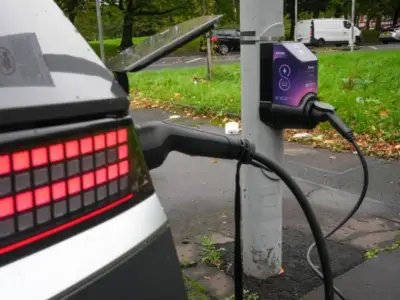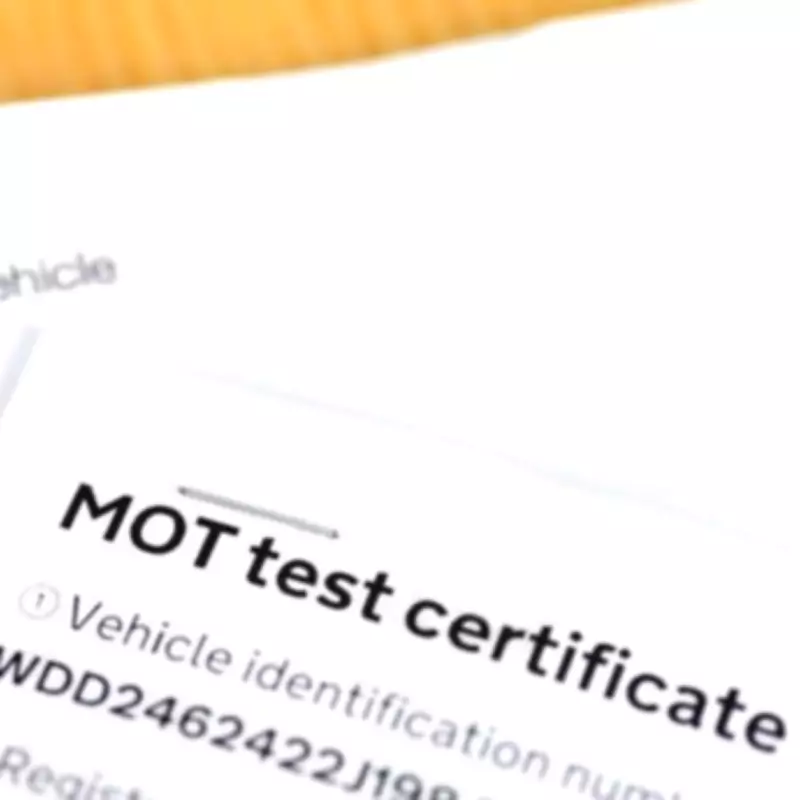
A new MOT test rule change coming into effect on Monday morning brings significant benefits for certain drivers. According to the Department for Transport (DfT), from June 1, new electric vans weighing between 3.5 and 4.25 tonnes will be subject to updated MOT requirements.
Background of the Rule Change
Previously, the heavier weight of electric batteries pushed EV vans over the 3.5-tonne threshold. This forced operators using these new vehicles to undergo stricter HGV compliance checks to remain on the road. However, the changes will now move heavy electric vans from HGV testing requirements to Class 7 MOT rules.
Industry Reaction
Lee O'Neill, operations director at Venson Automotive Solutions, described the law changes as an "extremely positive development" for fleet operators. He stated: "Bringing 3.5 to 4.25-tonne electric vans into the Class 7 MOT system removes a major obstacle to adoption and sends a strong signal that Government is listening to the practical challenges businesses face when transitioning to zero-emission fleets."
O'Neill added: "For many businesses, downtime is one of the biggest operational and financial pressures. Expanding access to testing centres and reducing reliance on limited heavy vehicle testing slots will make a tangible difference to fleet efficiency and business continuity."
Government Support
Labour Party cabinet member Keir Mather, Aviation, maritime and decarbonisation minister, stressed that the move would help UK businesses expand and decarbonise their fleets. He explained: "Businesses will now no longer face unnecessary red tape when they make the switch, cutting costs, reducing bureaucracy and driving growth up and down the country."
Broader Implications
O'Neill concluded: "Reducing MOT costs, administrative complexity and downtime makes electric vans a more attractive proposition for operators of all sizes. It may also strengthen the used electric van market by improving residual values and buyer confidence. Ultimately, the reforms represent a welcome example of practical policymaking that supports both sustainability goals and the operational realities facing UK fleet operators."