In Thursday's Senedd Election, voters will decide which political party or coalition will shape Wales' transport network. An efficient transport system is vital for a successful economy, moving people and freight within Wales and internationally. Inward investors rank transport among their top four criteria.
Party Positions on Transport
Most parties address key issues discussed in recent months. There is a clear split: Welsh Conservatives and Reform focus on new roads and increasing road capacity, while Plaid Cymru, the Green Party, Welsh Labour, and Welsh Liberal Democrats prioritise public transport investment.
Welsh Conservatives
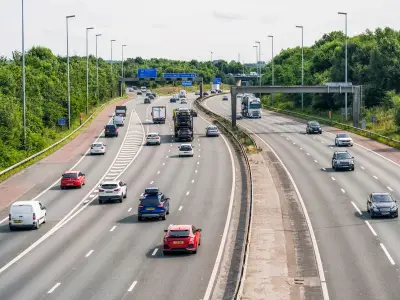
They designate the M4, A55, and A40 as 'union highways' benefiting the UK as a whole. However, critics argue these roads should first benefit Wales. Experience shows new road capacity may temporarily ease congestion but over years attracts more traffic, returning congestion, especially in south-east Wales. The capital cost of a new M4 relief road, essentially a six-lane motorway, exceeds £2 billion.
Plaid Cymru
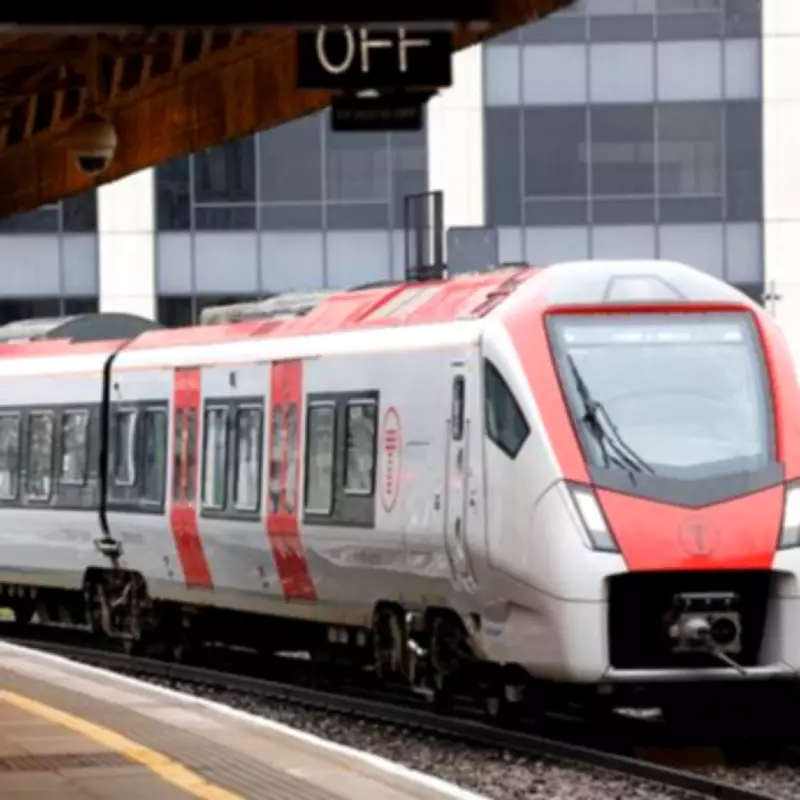
Plaid Cymru promises within its first hundred days to negotiate a new block grant settlement with Whitehall, including full devolution of rail investment funding. This could add an estimated £3 billion annually to the block grant, enabling an integrated transport investment programme. They propose a new investment framework evaluating costs and benefits of all road and rail schemes, considering strategic criteria and economic grounds. This reflects a Netherlands-type approach with a national public transport ticket, integrated bus/tram/rail/cycle network via interchange points, and new vehicle investment.
Welsh Labour
Welsh Labour is clear on its intentions, benefiting from thirty years of background knowledge. However, specifics on funding remain less detailed.
Welsh Liberal Democrats
They bravely suggest increasing Welsh income tax to fund transport improvements.
Green Party
The Green Party aligns with Plaid Cymru on public transport investment and integrated networks.
Reform UK
Reform unfairly criticises railway passenger capacity and incorrectly believes bimodal trains and varying train lengths between peak and off-peak will solve overcrowding. This may work in London but indicates limited knowledge of Wales' railways.
Funding Challenges
The estimated cost of a 21st-century railway network in Wales is £14 billion, according to the Welsh Government's 'Today, Tomorrow, Together' report (2026). Pothole removal costs an estimated £250 million annually. These numbers pose a massive fiscal challenge for any incoming government. Manifestos must show understanding of costs and income from capital and revenue accounts within the block grant and Welsh taxation.
Major infrastructure schemes are not built within one Senedd term. Any new land developments must have an associated transport plan. Wales has not been 'fiscally fought for' over decades; only Plaid Cymru refers to the revenue side of Wales' public funding.
Conclusion
Any party without a manifesto commitment to the Senedd and devolved government is living in a fiscal dream world. Successive Westminster governments have underfunded Wales. The Senedd is the only route to achieve the funding levels needed to improve life in Wales. Parties prepared to pursue a hard fiscal onslaught against the London governmental elite must control the Senedd.
Professor Stuart Cole is emeritus professor of transport (economics and policy) at the University of South Wales.