The UK Government is planning a sweeping overhaul of motorcycle, scooter and e-bike regulations, with seven major proposed changes following a consultation that closed on May 11. The Motorcycle Industry Association, National Motorcyclists Council, and National Motorcycle Dealers Association jointly submitted a detailed response to the Department for Transport.
Seven Key Proposals
The plans address seven areas: restricting learner riders to automatic machines if they complete compulsory basic training on one; introducing a theory test before or as part of the CBT; creating a progressive access training course for licence upgrades; updating the CBT syllabus; changing how instructors qualify; adjusting CBT certificate validity periods; and developing a digital service for CBT administration.
Delivery Rider Concerns
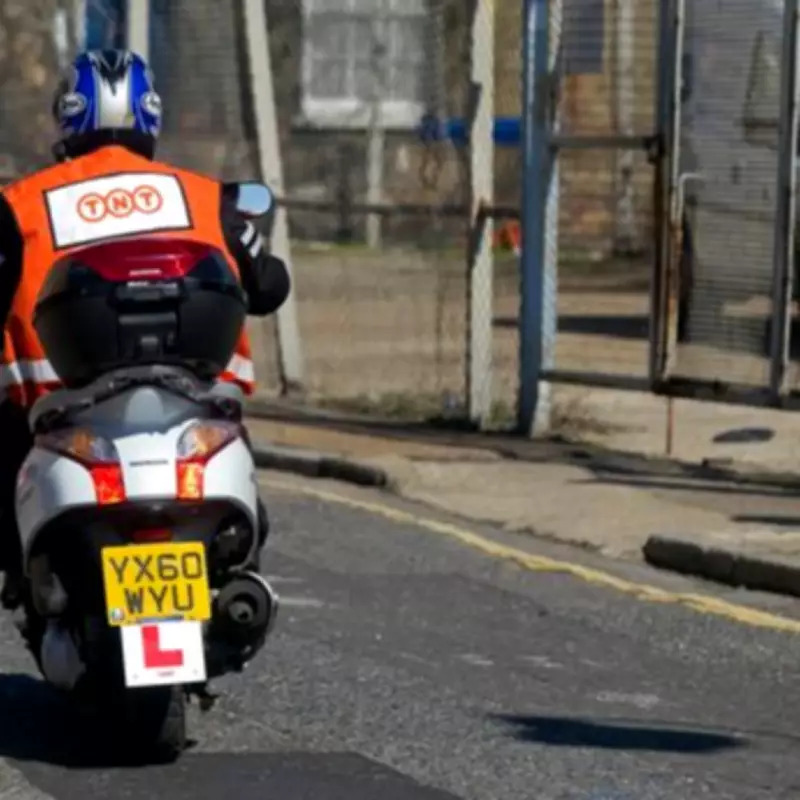
A notable issue is the prevalence of moped riders with L plates working as delivery drivers. One Reddit user commented: "I was driving in central London and literally 100% of motorbike delivery drivers have L plates." Another said: "I'd like to see it legislated to make it illegal to operate as a delivery rider without a full licence."
The DfT consultation document notes: "The CBT certificate lasts for two years. The presumption is that the learner will take their test and get a full licence. However, we know a proportion of riders take CBT and don't progress." Annually, 180,000 CBT certificates are issued but only 40,678 motorcycle tests are passed, indicating many remain permanent learners.
Industry Response
The motorcycle industry's combined response described the current system as 'very complex' and supported safety measures. It endorsed modifications to encourage progression, proposed a single comprehensive test instead of two-part structure, introduced categories for electric vehicles, and called for 'regulated pathways' for low-speed electric mobility vehicles.
MCIA CEO Tony Campbell said: "This consultation represents a significant opportunity to modernise the licensing system that has become complex, expensive and failed to improve road safety. Reform must not create additional barriers as this will push riders towards illegal alternatives."