Emergency Services Respond to Incident
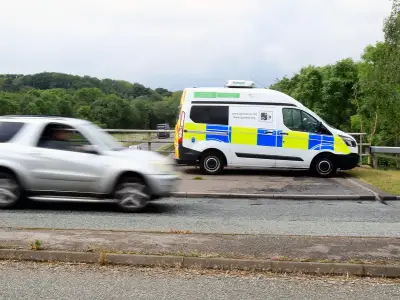
Train services in and out of Birmingham were severely disrupted on Thursday following a passenger incident at a station. Emergency services, including paramedics and police, were called to the scene, leading to the suspension of services on several routes. Network Rail confirmed that the incident occurred during the afternoon peak period, causing significant delays for commuters.
According to National Rail Enquiries, trains running between Birmingham New Street and other major stations faced cancellations and delays of up to 60 minutes. Passengers were advised to check their journeys before traveling and to allow extra time. The disruption affected services operated by West Midlands Railway, CrossCountry, and Avanti West Coast, with some trains being diverted or terminated early.
Impact on Commuters and Services
The incident caused knock-on effects throughout the evening, with residual delays continuing even after services resumed. A spokesperson for West Midlands Railway said: "We apologize to passengers for the disruption caused by this incident. Emergency services worked quickly to resolve the situation, and we thank them for their efforts. We advise customers to check real-time updates for their specific journeys."
Passengers reported crowded platforms and confusion at Birmingham New Street, with some missing connections or facing long waits. Social media posts described scenes of frustration as departure boards showed cancellations and delays. One commuter, Sarah Thompson, said: "It's been a nightmare. I waited for over an hour for a train that was eventually cancelled. I hope everyone involved in the incident is okay."
Network Recovery and Advice
By late evening, services had largely returned to normal, though some residual delays remained. National Rail advised passengers to check for updates on their specific routes and to claim compensation if eligible under the Delay Repay scheme. The incident is a reminder of the fragility of the rail network during peak hours, where even a single disruption can have widespread effects.
Birmingham New Street, one of the busiest stations outside London, handles thousands of passengers daily. The disruption highlights the need for robust contingency plans, especially during peak travel times. Transport officials are expected to review the incident to improve response times and communication with passengers in future emergencies.