The cost of HS2 could climb to £102.7bn, and the high-speed trains will be slower than originally promised, potentially not running until 2039. Transport Secretary Heidi Alexander today announced increased costs and timescales for the high-speed railway line between London and Birmingham.
Cost and Timeline Updates
Alexander stated that the project will now cost between £87.7bn and £102.7bn, up from the estimated £32bn (or around £49bn with inflation) in 2011, which included the now-cancelled Manchester and Leeds legs. Trains are not expected to run from Birmingham Curzon Street to Old Oak Common in west London until between 2036 and 2039. Services to Euston are not anticipated to begin until at least 2040.
Slower Trains for Savings
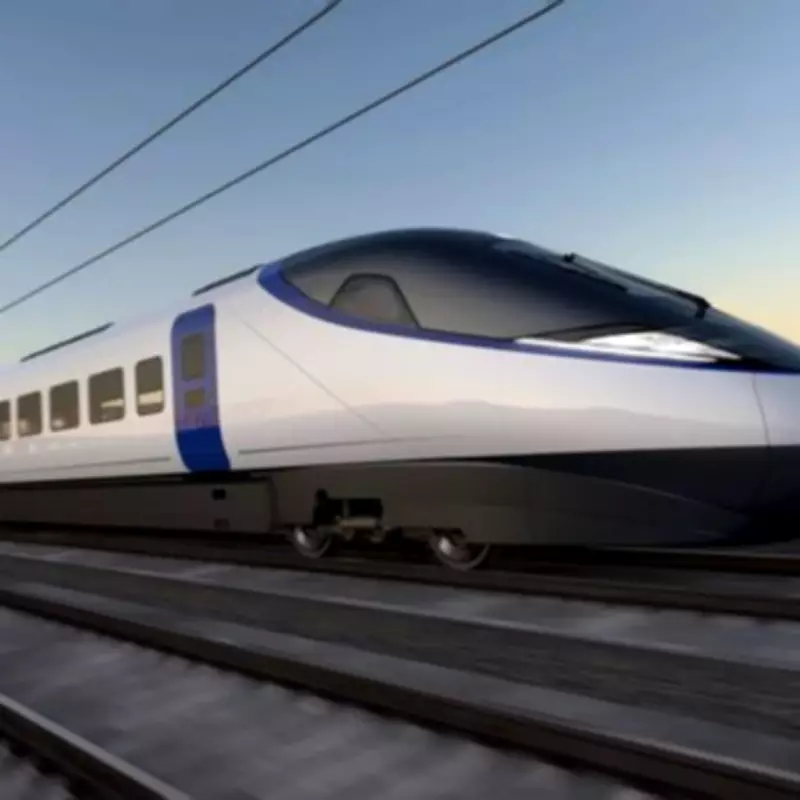
Alexander also revealed that trains will be slower, operating at a maximum of 320 km/h (200mph), down from the previous target of 360 km/h (225 mph). This change could deliver savings of up to £2.5bn and reduce delivery time by at least a year. She called for an end to an "era of neglect" with HS2 as she outlined plans to reset the project.
Government Blames Previous Mismanagement
The government attributed two-thirds of the cost increase to "works being missed from the scope of the original project plan," "underestimation by previous governments," and "inefficient delivery." The remaining third is due to inflation. The full scheme from Euston to Birmingham, including a connection to the West Coast Main Line, is not expected to be completed until between 2040 and 2043.
Alexander said: "Taxpayers, passengers and communities along the route have been let down by years of mismanagement on HS2. I share their anger about the waste and mess, but I am proud that this government has worked with HS2’s new senior team to get this project off life support and on the road to recovery. We will get the job done, but we will also take every opportunity to save time and money in the process: getting a grip on delivery, controlling costs, and stripping out the complexity that’s plagued the project in the past."
Mark Wild, chief executive of HS2, added: "I recognise this will be unwelcome news for local communities and taxpayers. I share in their disappointment that it will take longer and cost more to bring HS2 into service. Resetting HS2 was the only way to regain control of the project. We have turned a corner in the last 12 months with significantly improved levels of productivity, helping us to deliver major milestones ahead of schedule. We're also progressing with plans to bring HS2 into line with other high-speed railways in Europe - further reducing the project's complexity without compromising on benefits."
The HS2 reset is fully funded within the Department for Transport’s current Spending Review settlement, with no additional borrowing. Funding beyond 2029-30 will be set at future Spending Reviews and will be underpinned by the government’s non-negotiable fiscal rules.