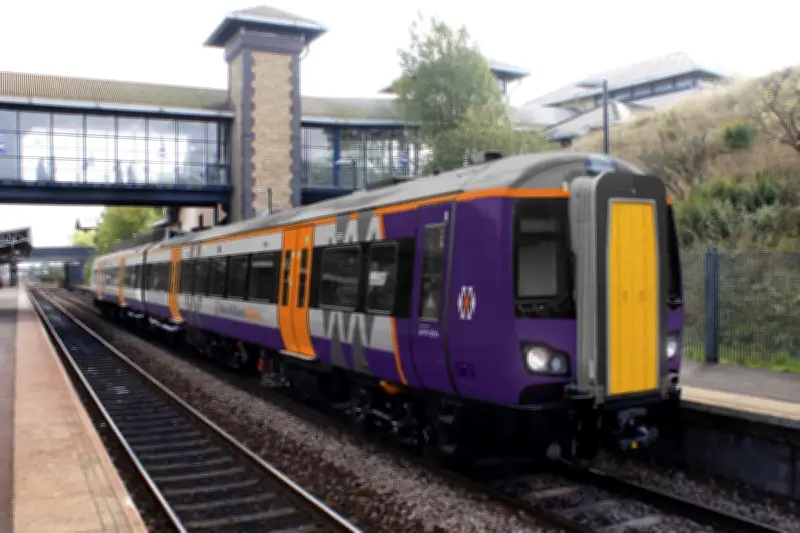
A signalling fault caused significant delays on the Wolverhampton to Birmingham rail line on Wednesday morning, disrupting the journeys of thousands of commuters. The fault, which occurred near the Wolverhampton area, led to trains being delayed by up to 45 minutes as Network Rail engineers worked to resolve the issue.
Details of the Disruption
The fault was first reported at around 7:30 AM, causing chaos during the peak morning rush hour. Services between Wolverhampton and Birmingham New Street were severely affected, with trains running at reduced speeds and some cancellations. Passengers were advised to seek alternative routes or allow extra time for their journeys.
According to National Rail, the issue was caused by a signalling failure that prevented trains from moving safely between stations. Engineers were dispatched to the site and managed to fix the fault by mid-morning, but residual delays continued throughout the day.
Impact on Passengers
Commuters expressed frustration on social media, with many reporting overcrowded platforms and missed connections. One passenger, Sarah Thompson, said: "It was absolute chaos this morning. My train was delayed by 40 minutes, and I ended up being late for an important meeting." The disruption also affected services on the London Northwestern Railway and West Midlands Railway networks.
Network Rail apologised for the inconvenience and confirmed that an investigation into the cause of the fault is underway. A spokesperson said: "We understand how frustrating these delays are for passengers, and we are working hard to prevent similar occurrences in the future."
Advice for Commuters
Passengers were urged to check their journey plans before travelling and to allow extra time for delays. Rail operators advised that tickets for affected services would be accepted on alternative routes, including bus replacements, where available.
This incident follows a similar signalling fault on the same line last month, raising concerns about the reliability of the rail infrastructure in the region. Local transport authorities have called for increased investment in modernising signalling systems to reduce the frequency of such disruptions.