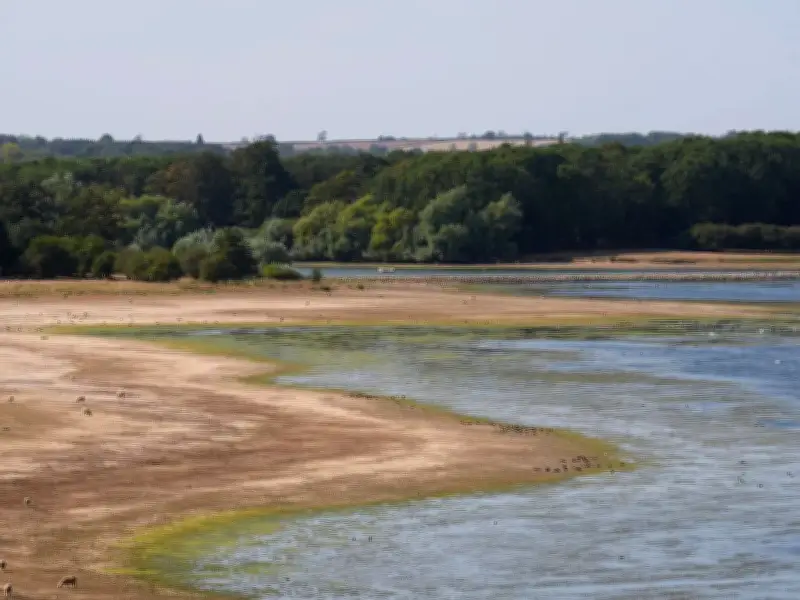
Falling water levels at Rutland Water reservoir in the East Midlands have exposed the stonework of Nether Hambleton, a village demolished and flooded in the 1970s to create the reservoir. The revelations come as England continues to face drought conditions, with the East Midlands among the latest regions to be officially declared in drought.
Village submerged to create reservoir
Nether Hambleton was one of several hamlets, including Middle Hambleton, whose residents were relocated before buildings were knocked down and the area flooded. The construction of the reservoir, which involved damming the Gwash valley near Empingham, was completed in 1976, and the flooding took a further three years, according to Leicestershire and Rutland Wildlife Trust.
More than 3,000 acres of land were submerged to create one of the largest man-made bodies of water in western Europe, covering more than four square miles. Cottages, farms, and farmhouses were destroyed to make way for the reservoir, which was part of a scheme to meet water needs in the East Midlands.
Historic low water levels
At its deepest point, the reservoir reaches 34 metres, but receding water levels have now laid bare the stonework left behind after the demolition. Rainfall across the East Midlands has been below average for the past five consecutive months, the Environment Agency (EA) said, with the spring and summer period the driest since 1995 and July being the driest on record.
The East Midlands, Lincolnshire and Northamptonshire, Kent and East Sussex, and Solent and the South Downs became the latest regions to be declared drought areas on Monday. The Met Office has issued an amber warning for extreme heat for Thursday, with temperatures expected to climb to 37C or 38C in some locations across London, parts of the South East, East Midlands, East of England, West Midlands, and South Yorkshire.
Impact on environment and water supplies
Tony Grayling, the strategic drought lead at the EA and chairman of the National Drought Group, said: "Drought conditions are worsening and will continue to do so until we see significant and sustained rainfall." He added: "We know the hot and dry weather is taking a real toll on farming and there will be long-lasting impacts on our environment."
Grayling urged the public to conserve water: "We want everyone to stay safe and hydrated over the summer, but we need everyone's help in using a little less water to make sure our current water reserves last. Every drop we can save is a drop more for your local farmers, local wildlife and local rivers."