DVSA Announces Major Changes to Driving Theory Tests with New First Aid Requirements
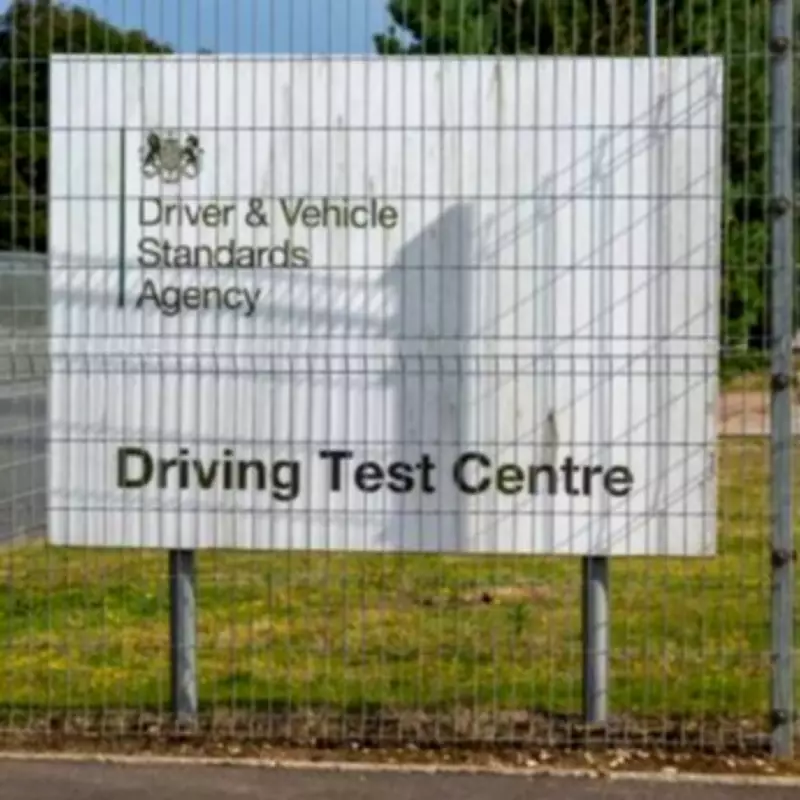
The Driver and Vehicle Standards Agency (DVSA) is implementing significant changes to the driving theory test for the first time, introducing mandatory first aid skills assessment. Learner drivers across the United Kingdom will soon face enhanced testing requirements that include cardiopulmonary resuscitation (CPR) and automated external defibrillator (AED) usage.
New Life-Saving Content Added to Theory Tests
Starting from 2026, the driving theory test will expand to incorporate new CPR content and questions about using automated external defibrillators. This marks the first time such practical emergency response skills have been formally included in the driving assessment process.
Drivers are frequently the first responders at accident scenes, making this knowledge particularly valuable. According to data from Resuscitation Council UK, more than 40,000 out-of-hospital cardiac arrests occur annually across the UK, with fewer than 10% of victims currently surviving.
Critical Importance of Immediate Response
When CPR is administered and an AED is utilized within three to five minutes of collapse, survival rates can dramatically increase to approximately 70%. Every minute without these interventions reduces survival chances by up to 10%, highlighting the crucial importance of immediate bystander action while awaiting emergency services.
Mark Winn, DVSA Chief Driving Examiner, emphasized: "Part of being a safe and responsible driver involves knowing how to respond during emergencies – understanding how to intervene and potentially save lives. Learning CPR and AED operation represents a straightforward skill, and incorporating this into official learning materials represents an excellent method for DVSA to support awareness initiatives."
Support from Medical and Advocacy Organizations
James Cant, Chief Executive Officer of Resuscitation Council UK, commented: "By integrating these vital life-saving skills into such a widely administered assessment, we can help ensure more individuals gain the knowledge and confidence necessary to act decisively during cardiac arrest situations."
Len Nokes, Chair of Save a Life Cymru, whose daughter Claire died from cardiac arrest complications in 2017, shared: "When Claire experienced her cardiac arrest, some CPR knowledge might have altered the outcome. We hope that by making CPR and defibrillator use part of the theory test, we will substantially increase the number of people equipped with this life-saving awareness."
The DVSA's initiative represents a proactive approach to driver education, recognizing that motorists often encounter emergency situations where immediate medical response can mean the difference between life and death.