Fuel Duty Increase to Impose £573 Annual Charge on Petrol Drivers
Sir Keir Starmer's Labour government is preparing to implement a staged 5p per litre increase in fuel duty, beginning in September. According to Conservative Party analysis, this policy will significantly impact petrol vehicle owners who drive approximately 7,400 miles annually.
The annual fuel duty charge for these motorists is projected to rise from around £495 currently to £573 within three years. This represents the first fuel duty hike in nearly fifteen years, sparking considerable political debate and concern among commuters and industry representatives.
Political Reactions and Industry Concerns
Richard Holden, the Conservative Shadow Transport Secretary, has voiced strong opposition to the planned increase. He warned that Labour's policy would "hit commuters and hammer hauliers" while inevitably driving up prices across British shops. Holden emphasized that families already grappling with rising living costs would face additional financial pressure from this measure.
"Labour are about to wallop drivers with the first fuel duty hike in nearly 15 years just as families are already struggling with rising costs," Holden stated. "Labour are forcing drivers to pay for their economic incompetence."
When questioned by MPs, Sir Keir Starmer offered limited commitment, saying only that he would "keep the situation under review in light of what is happening in Iran" while refusing to guarantee an extension of the current 5p fuel duty discount beyond September.
Taxpayer Advocacy and Economic Projections
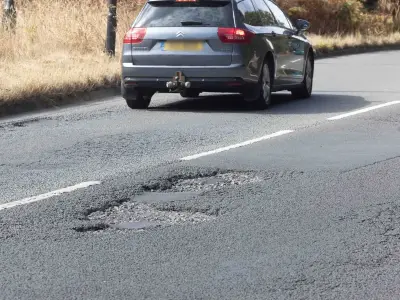
Anne Strickland, a researcher with the TaxPayers' Alliance, expressed frustration with how fuel duty revenue is allocated. "Taxpayers are tired of seeing the tax they pay for one purpose siphoned off for something else," she remarked. Strickland argued that motorists reasonably expect fuel duty proceeds to fund road maintenance like pothole repairs rather than addressing budgetary shortfalls.
"The Chancellor needs to urgently stop the hike in fuel duty, if she wants to avoid pouring petrol on the fire," Strickland added, highlighting the potential for increased economic strain.
The Office for Budget Responsibility (OBR) has projected that the fuel duty change will generate approximately £0.4 billion in additional revenue. Their Economic and Fiscal Outlook document clarifies that this estimate stems from the policy announced in the November 2025 Budget, which outlined a three-stage reversal of the 5p cut starting in September 2026, followed by annual adjustments linked to the Retail Price Index from 2027-28.
The OBR noted that "receipts are up by £0.4 billion on average over the forecast due to slightly stronger-than-expected outturn this year."
Government Response and Economic Strategy
A Treasury spokesman disputed the Conservative Party's calculations, stating, "We do not recognise these calculations. We have the right economic plan – to support drivers at the Budget we extended the 5p fuel duty cut from this month to the end of August."
The spokesman further explained that the Chancellor has engaged with regulatory bodies and industry stakeholders to ensure fair treatment for consumers. "The Chancellor has written to the Competitions and Markets Authority and met with retailers and energy suppliers with a clear message that drivers must get a fair deal at the pump."
This fuel duty controversy emerges amidst broader discussions about transportation costs, economic policy, and household budgeting, with significant implications for both individual motorists and the national economy.