Government Unveils Emergency Fuel Plan with Priority Access for Key Drivers
A new government emergency strategy for fuel distribution will grant priority access at designated petrol stations to three specific groups of drivers during potential shortages. The Labour Party government's National Emergency Plan for Fuel, developed in response to the ongoing Iran crisis, includes measures such as speed restrictions, fuel rationing, and extended working hours to manage dwindling supplies.
Priority Groups Under the Designated Filling Station Scheme
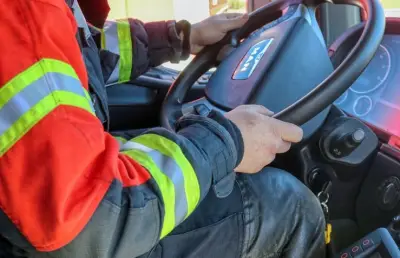
The "designated filling station scheme" would ensure that emergency service vehicles—including ambulances, fire engines, and police cars—receive priority access to petrol stocks. This initiative comes as tensions escalate in the Middle East, with the United States and Israel continuing military actions against Iran, which recently closed the Strait of Hormuz, a critical oil transit route.
Local resilience forums, composed of councils and other local authorities, will be responsible for identifying and designating specific filling stations where these "critical service" vehicles can refuel without facing long queues or shortages. The government aims to protect essential services while addressing broader fuel supply challenges.
Expert Warnings and Economic Impact
Energy economist Prof Nick Butler, a former adviser to Gordon Brown, has cautioned that ministers must prepare for a "significant shortfall of supply over the next two months." In an interview with The Telegraph, Prof Butler emphasized that the situation could "get serious" if the Strait of Hormuz remains closed for another two to three weeks, potentially necessitating rationing to protect key users.
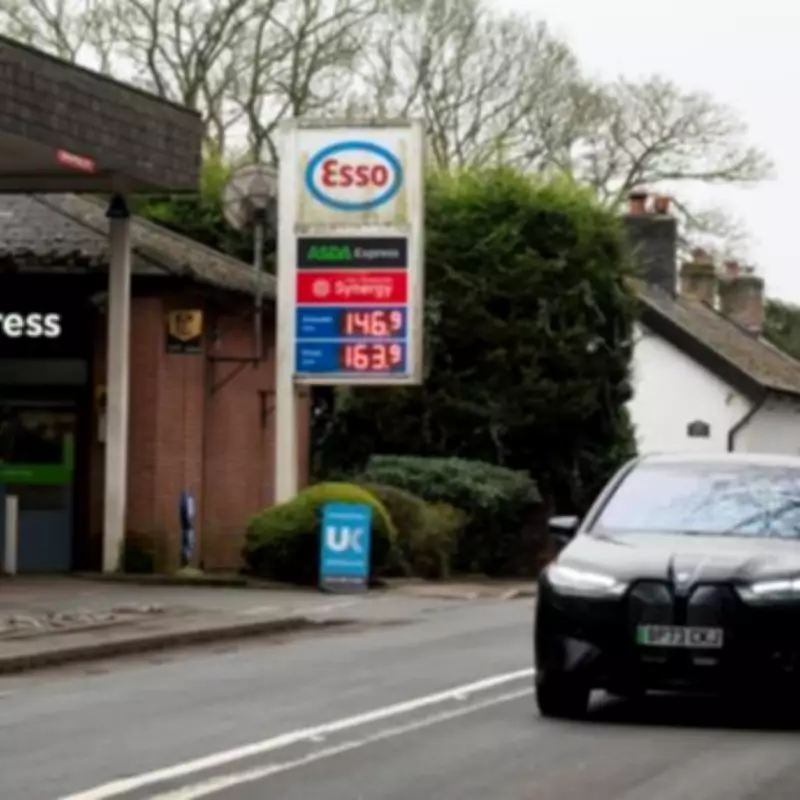
Simon Williams, the RAC head of policy, highlighted the economic strain on motorists, noting that "the average cost of filling up a 55-litre family car with diesel is now £88, whereas for petrol it's £78." RAC analysis of wholesale fuel data indicates that petrol prices are likely to rise by another 3p to an average of 145p per litre in the coming week, with diesel increasing by 9p to 170p per litre.
Political Responses and Calls for Action
Former energy secretary Grant Shapps criticized the government's preparedness, stating, "I've handled a huge fuel crisis and I know exactly what it takes—you need tankers moving, real-time data on every forecourt in the country, and a government that actually takes a grip." He warned that the closure of the Strait of Hormuz, which carries a fifth of the world's oil supply, could lead to rapid fuel shortages if not addressed promptly.
Shapps urged the government to "get its emergency plan off the shelf, dust it down, and make sure it actually works," expressing concern over a perceived lack of planning despite prior warnings about the Iran conflict. He concluded that British motorists could "pay the price" if adequate measures are not implemented swiftly.