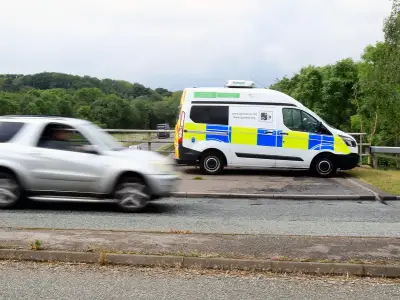
More than 450 drivers have been issued fines in Birmingham during the first two months of a new traffic enforcement scheme targeting banned turns. The city council switched on cameras in June, and motorists have already faced penalties for manoeuvres that previously went unpunished.
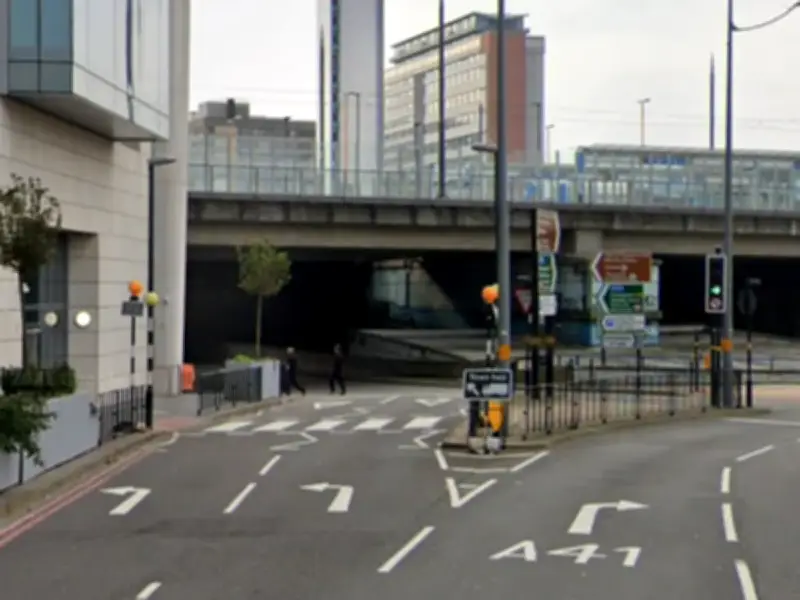
The vast majority of penalties have been handed out at the junction of Newhall Street and Great Charles Queensway, where drivers have been caught turning into the road from both directions. A total of 453 fines were issued at this location during June and July, according to figures from the council.
Enforcement Begins at Key Junction
The council is primarily focusing on this busy city-centre junction as part of a wider road safety drive. A small number of penalties have also been issued for right turns into Priory Road from Bristol Road, though the Newhall Street and Great Charles Queensway site accounts for the bulk of enforcement activity.
Motorists may have been surprised to receive fines through their letterboxes, as these banned turns were previously allowed to go ahead without any punishment. The council has now decided to crack down on the practice, with offenders facing financial penalties.
Part of a Wider Road Safety Drive
The new enforcement is part of a broader effort to improve safety on Birmingham's roads. This has included cutting speed limits to 30mph on most busy roads across the city, while new speed cameras are also being rolled out.
Cllr Majid Mahmood, former transport boss at the city council, said earlier this year: “These new powers will help to make our roads safer by reducing dangerous driving behaviours like making banned turns. It will also allow for more effective local control over traffic flow and safety.”
Impact on Drivers
Drivers who ignore the restrictions now face fines as the council continues to use its new powers. The enforcement at Newhall Street and Great Charles Queensway is expected to remain a priority as the scheme develops, with further penalties likely as cameras continue to operate.
The council's actions mark a significant shift in how traffic offences are policed in Birmingham, moving from a system where banned turns went unchecked to one where cameras actively monitor and penalise non-compliance.