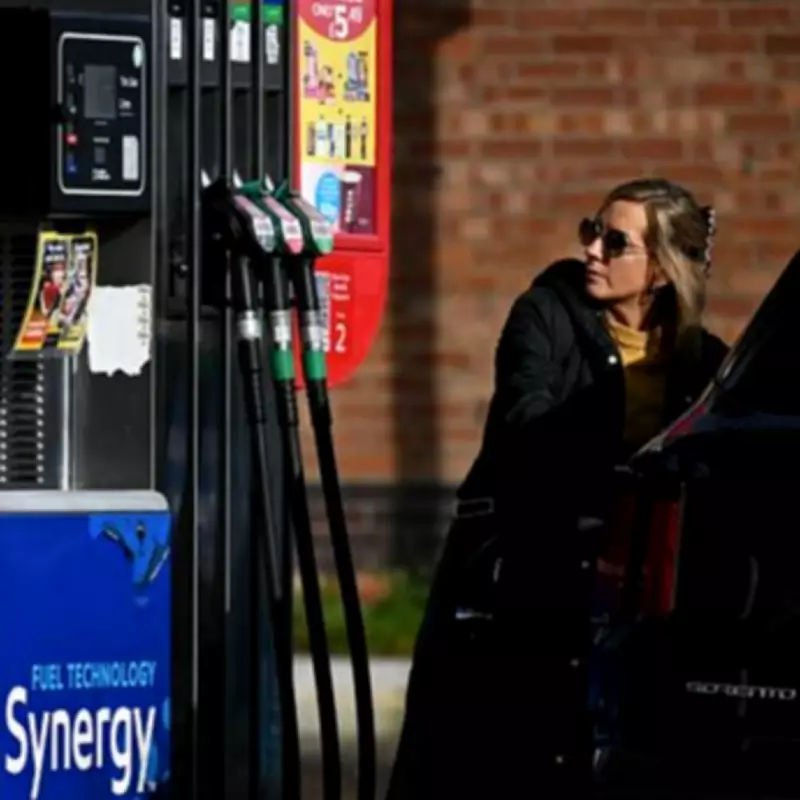
UK Petrol Station Price Monitoring Intensifies Amid Fuel Cost Surge
A major crackdown on petrol station pricing practices has been stepped up across the United Kingdom, with drivers now facing a potential annual blow of £416 for diesel fuel. The Competition and Markets Authority (CMA) has set out plans to significantly increase its monitoring of petrol and diesel prices at forecourts nationwide.
RAC Welcomes Scrutiny as Fuel Prices Rocket
RAC head of policy Simon Williams has issued a statement welcoming the competition watchdog's enhanced scrutiny. "Drivers consistently tell us that the cost of motoring is a major concern, and fuel represents a huge contributor to that expense," Mr Williams stated. "Ensuring motorists are paying a fair price at the pumps is absolutely essential. For this reason, we welcome the CMA's increased monitoring of what's happening on forecourts across the country."
Recent RAC Fuel Watch data reveals alarming price increases within a remarkably short timeframe:
- The average price of petrol has increased by 7p per litre, reaching 140p
- Diesel prices have surged by 16p per litre, now standing at 158p
These increases translate to an additional £4 for a typical petrol fill-up and £8 for diesel. For drivers who fill their tanks once weekly, this could mean an extra £416 annually for diesel users if current oil price levels persist throughout the year.
Industry Experts Warn of Broader Economic Impact
Edmund King, president of the AA, highlighted the wider economic implications of the fuel price surge. "As the conflict in the Middle East continues, the global increase in oil prices will directly impact inflation, particularly through diesel price hikes," he explained. "Since most goods and services are delivered by diesel-powered vehicles, consumers will inevitably face price increases across numerous sectors."
Mr King strongly encouraged government intervention: "We urge the Chancellor to delay the staggered reintroduction of the 5p fuel duty discount to provide some breathing space for hard-pressed households during this challenging period."
Complex Factors Driving Diesel Price Increases
Industry experts have detailed the specific factors making diesel particularly vulnerable to price spikes. Steven Greenall, protection advisor at Rayleigh-based Protect and Lend, explained: "Diesel is fundamentally a more complex carbon product than petrol. It's more expensive to refine from crude oil, the UK depends more heavily on diesel imports, and profit margins tend to be higher at the pump compared to petrol."
Rohit Parmar-Mistry, founder of Burton-on-Trent-based Pattrn Data, added crucial context: "Diesel pricing isn't simply 'oil plus tax.' At the retail level, it's driven by the middle distillate market encompassing diesel, jet fuel, and heating oil. This market can tighten significantly even when petrol supplies remain relatively stable."
He further elaborated on current market dynamics: "Presently, diesel is experiencing a wider 'crack' spread—refiners are charging increased margins to convert crude into diesel because inventories are lower and supply flexibility has diminished. Heavy goods vehicles, vans, construction equipment, and logistics operations maintain steady demand, while jet fuel competes for the same refinery output. Maintenance issues or unplanned outages affect diesel production more severely than petrol."
Geopolitical factors are also playing a significant role. Parmar-Mistry noted: "The current conflict involving Iran is elevating risk premiums through shipping disruptions, increased insurance costs, and shifting global trade patterns—all contributing to the upward pressure on diesel prices."