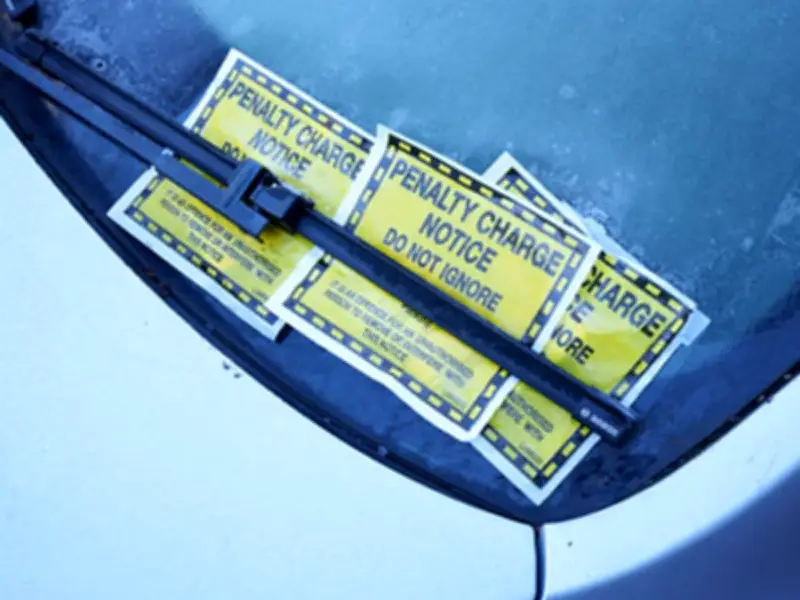
Private parking firms are deliberately designing tickets to look like council fines, but there is an important legal difference, an expert has said. Half of drivers do not realise that public parking fines and private parking charge notices are fundamentally different, as they are named similarly and often look virtually identical when stuck to a vehicle's windscreen.
Penalty Charge Notice vs Parking Charge Notice
A Penalty Charge Notice (PCN) is issued by councils and Transport for London when a driver commits an offence by parking on public land. It is a fine that must be paid and is backed by law. Drivers can appeal to the independently run Traffic Penalty Tribunal in England and Wales or London Tribunals for contraventions in London boroughs.
In contrast, a Parking Charge Notice is issued by private parking companies when they believe a driver has breached the terms and conditions of parking on private land. According to the RAC, it is not a fine but an invoice for an alleged breach of contract. Drivers can appeal to either of the appeals bodies set up by the two private parking trade associations: Parking on Private Land Appeals (POPLA) or the Independent Appeals Service (IAS).
Expert Warning
Simon Williams, head of policy at the RAC, said: “Drivers are clearly confused by the PCN acronym, which is concerning as they are very different in terms of consequences. We suspect they’re deliberately designed to look very similar to a council penalty charge notice. Drivers are very supportive of changing the name of parking charge notices to clear this up and help others understand the important legal difference.”
With many drivers unaware of the distinction, the RAC urges motorists to check whether a ticket is from a council or a private firm before paying. While council fines are enforceable by law, private parking charge notices are civil matters and may be contested more easily. However, failure to pay a private parking charge can still lead to debt collection or court action if the driver loses an appeal.