UK Government Considers Petrol Station Opening Hours Restrictions Amid Gulf Crisis
The Labour Party government is actively developing contingency plans that could significantly alter petrol station operations across the United Kingdom. This move comes in direct response to the ongoing conflict in the Gulf region, which continues to create substantial disruptions in global oil markets.
Proposed Fuel Purchase and Operating Restrictions
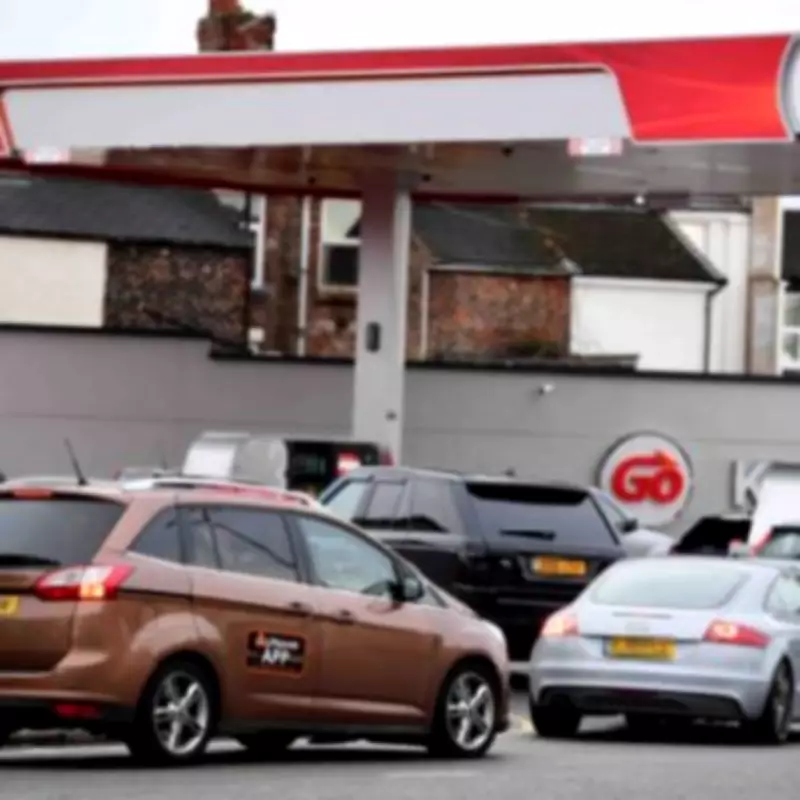
According to reports from the Telegraph, ministers are considering implementing a "maximum purchase scheme" that would limit motorists to buying a predetermined amount of petrol per visit, potentially as low as 15 litres. Additionally, the government could mandate earlier closing times for filling stations to help maintain national fuel stocks during this period of uncertainty.
The official document summary clearly states that this scheme would "restrict the sale of road fuels at retail filling stations to the public to a maximum amount per visit to ensure that all motorists have access to some fuel." The document further elaborates that "the scheme can also limit the hours in which road fuels can be sold."
Part of Broader National Emergency Plan
These proposed changes form a crucial component of the comprehensive National Emergency Plan for Fuel, which includes additional measures such as speed restrictions, fuel rationing protocols, and extended working days for essential personnel. The plan represents a coordinated government response to what the International Energy Agency has described as the largest supply disruption in the history of the global oil market.
Global Context and Regional Impacts
Across southeast Asia, governments are implementing various energy conservation strategies in response to the crisis. The Philippines, which relies on the Gulf for approximately 90% of its oil requirements, has introduced cash assistance programs for public transport drivers while mandating that government agencies reduce their electricity and fuel consumption by 10 to 20 percent.
Filipino motorists have expressed significant hardship, with one driver explaining: "Before, I spent 700 pesos on diesel and took home around 1,000 pesos per day. Now I only earn 400 pesos. It's not even enough for food." Another added: "We are victims of a war that is not of our choosing, but we control how we will protect the Filipino." A third motorist noted recent price increases, stating: "Last week, it was 79.40 pesos at the gas station where I usually get diesel. Tomorrow there's another increase."
Market Analysis and Future Outlook
Ipek Ozkardeskaya, a senior analyst at Swissquote, provided insight into current market dynamics: "This morning, oil is sharply down on news that Iraq signed a deal to resume oil exports via Turkey, bypassing the Strait of Hormuz, while Saudi Arabia is also rerouting exports toward the Red Sea. The region is reorganizing, preparing for the possibility of a prolonged conflict."
Ozkardeskaya further explained: "Restoring oil exports fully will take time, and we may soon see physical-market shortages — likely keeping oil prices under upward pressure. Yet, as flows adapt to alternative routes, the initial surge in oil prices seen at the start of the war could ease."
The UK government's consideration of petrol station restrictions reflects a proactive approach to managing potential fuel shortages while ensuring equitable access for all motorists during this international energy crisis.