Two police forces in southern England are trialling the world's first roadside breathalyser for nitrous oxide, commonly known as laughing gas, in a bid to tackle an "emerging threat" to road safety.
New Device Targets Drivers Under Influence
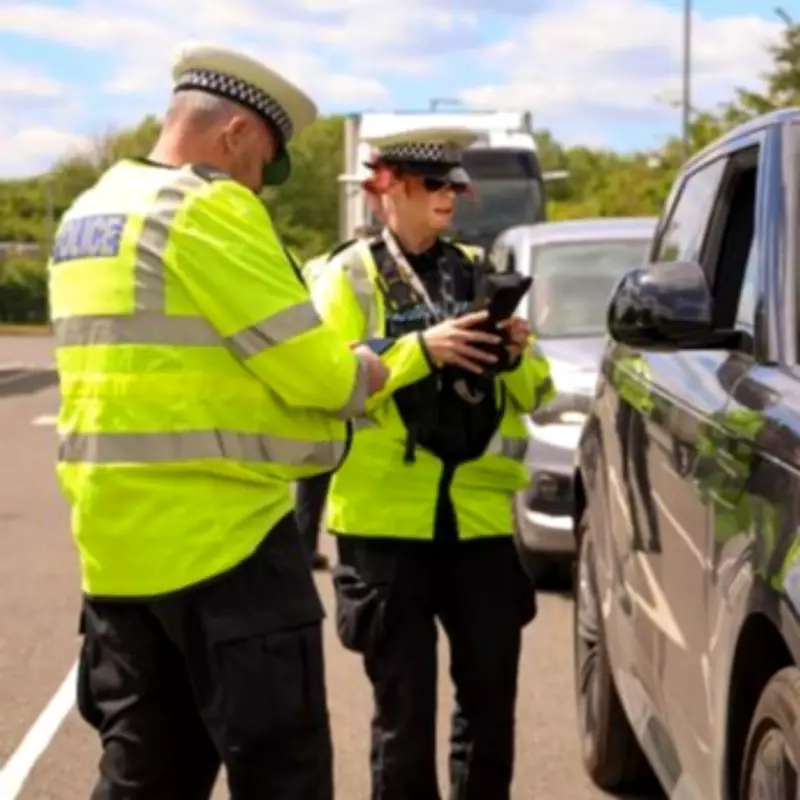
Hampshire and Isle of Wight Police, along with Thames Valley Police, are testing the device, which is designed to detect the presence of nitrous oxide in drivers. The forces describe driving under the influence of nitrous oxide as a growing danger on the roads.
A spokesman for the forces said: "Driving under the influence of nitrous oxide is an emerging threat to the safety of motorists on our roads. Its use can cause unconsciousness and even neurological damage or death from suffocation of the oxygen supply to the brain. Tragically, our officers have already seen deaths connected to drivers who were under the influence of NOS."
Officers Welcome New Technology
Supt Emma Hart, of the joint operations roads policing unit for the two forces, told the BBC: "We're definitely seeing more young people use [nitrous oxide]... we know that we want to start mitigating that risk, but in order to mitigate it, you really need to understand the problem. This device helps us do that."
Currently, there is no device available that can prove a driver inhaled laughing gas, making prosecution difficult. Supt Hart added: "That is why our forces are leading this testing phase, to break new ground and prove these devices can help save lives on our roads."
Concerns Over Youth Usage
Hampshire's police and crime commissioner, Donna Jones, highlighted a worrying trend: "There is a worrying trend around the use of laughing gas by those aged 16-25, which was previously undetectable, with drivers under the influence of nitrous oxide putting themselves and others at risk of serious injury or death."
She added: "We are seeing too many incidents with major consequences on our roads, and it is a proud moment... to lead the way for the rest of the country, and the rest of the world, in tackling this."
The trial marks a significant step forward in road safety enforcement, potentially providing law enforcement with a crucial tool to combat drug-driving.