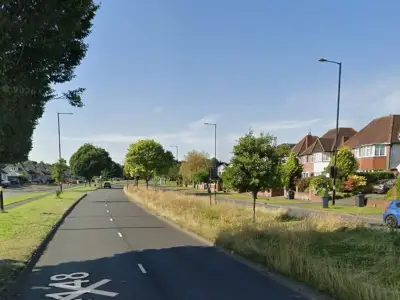
A new road linking the M42 to the M6, built as part of the HS2 high-speed rail project, has opened to traffic earlier than planned in the West Midlands. The 2.5-mile (4km) route, known as the M42 to M6 Link Road, was officially opened on 15 March 2024, several months ahead of its original schedule.
What the New Road Provides
The link road connects junction 6 of the M42 to junction 4A of the M6, providing a direct route for traffic between the two motorways. It is designed to alleviate congestion on local roads, particularly the A452, which has carried heavy traffic during the construction of HS2. The new road includes two lanes in each direction and a 50mph (80km/h) speed limit.
According to HS2 Ltd, the project will benefit around 1.5 million drivers annually by reducing journey times and improving reliability. The road also includes new cycling and walking paths, as well as environmental features such as wildlife tunnels and planting to mitigate noise.
Impact on Local Communities
Residents in the area have expressed mixed reactions. Some welcome the reduced congestion on local roads, while others have raised concerns about increased noise and traffic on the new route. The local council, Solihull Metropolitan Borough Council, has stated that the road will be monitored to ensure it meets environmental standards.
“The opening of this link road is a significant milestone for the HS2 project and for the region,” said a spokesperson for HS2 Ltd. “It will provide a vital connection for drivers and help to take traffic off local roads, improving journeys for everyone.”
Future Developments
The M42 to M6 Link Road is one of several infrastructure projects linked to HS2 in the West Midlands. Further works are planned to improve connections to the HS2 Curzon Street station in Birmingham, which is expected to open in 2033. The road’s early opening is part of a broader effort to deliver benefits from the HS2 project ahead of the main railway line’s completion.
Local transport authorities have advised drivers to use the new route to reduce pressure on alternative roads, and they continue to monitor traffic patterns to assess the road’s impact on the wider network.