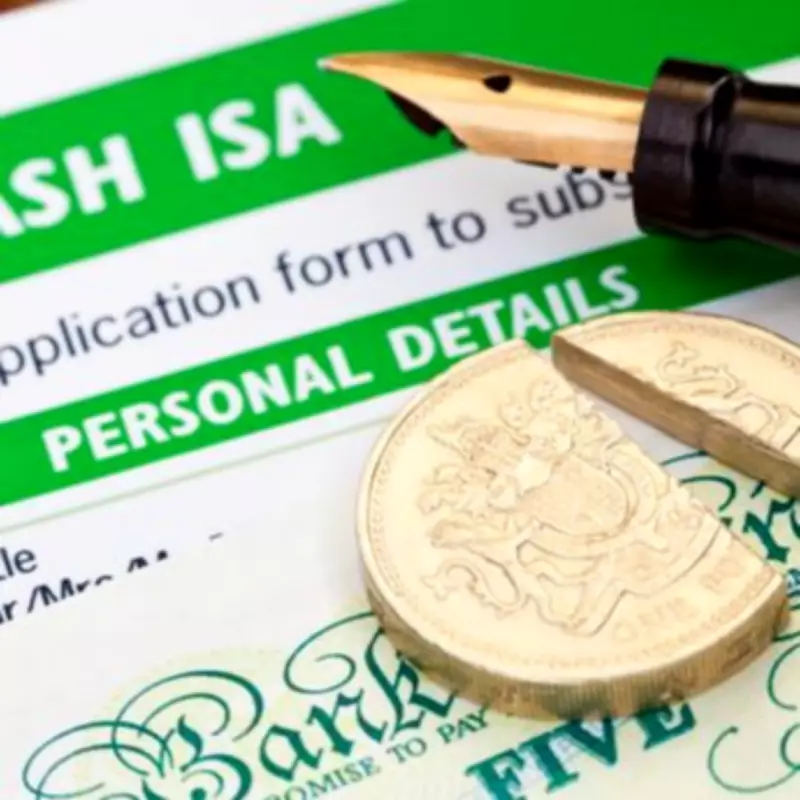
ISA Savers Face Critical Easter Deadline as New Financial Year Approaches
ISA savers across the nation are being urged to take immediate action as the deadline for utilizing their current tax-free allowance falls during the upcoming Easter weekend. The new financial year begins on April 5, which coincides with the holiday period, leaving individuals with only a few days to organize their finances effectively.
This annual transition marks the point when the tax-free ISA allowance resets and renews. Currently, savers can deposit up to £20,000 into their ISAs without facing tax on the interest earned. However, significant changes are on the horizon that will impact millions of account holders.
Major Reduction in ISA Allowance Announced
Starting from April 2027, the ISA allowance will be substantially reduced to just £12,000 for anyone under the age of 65. This represents a 40% cut from the current limit and has sparked considerable concern among financial experts and savers alike.

Laura Suter, director of personal finance at AJ Bell, provided stark commentary on the implications of this policy change. "The decision to cut the Cash ISA allowance for those under the age of 65 is going to lead to bigger tax bills for the nation," she stated emphatically.
Triple Blow for Cash Savers
Suter elaborated on the multiple challenges facing savers: "While the government is hoping the move will nudge more people into taking their first steps into investing, in reality many people will simply leave their money in non-ISA accounts and pay tax on their savings interest. The Budget also saw the personal savings allowance frozen for another year and the tax rates for savings interest increased – leading to a triple blow for cash savers."
Research conducted by AJ Bell reveals concerning trends about how savers might respond to these changes. The study found that 51% of Cash ISA savers would simply transfer their excess funds into taxable savings accounts if the allowance was reduced.
Significant Tax Implications Over Time
The financial consequences of this shift could be substantial for many households. Suter provided a detailed example: "Someone who usually paid the full £20,000 into their Cash ISA, who was then limited to £12,000 from April 2027, would find themselves with £8,000 of cash looking for a home. If they placed it into a non-ISA cash account, they would face tax on their savings interest once they breach their personal savings allowance."
While the immediate yearly impact might seem manageable – approximately £320 in interest at a 4% rate – the cumulative effect over multiple years becomes significant. Additional-rate taxpayers would face a £150 tax bill in the first year alone, with this amount escalating dramatically over time.
"Over five years, the total bill for an additional-rate taxpayer is £2,380," Suter explained. "Over ten years, it totals a whopping £9,349 extra in tax. Even a basic-rate taxpayer, who receives a £1,000 tax-free allowance each year for their savings interest, will see a £240 tax bill after five years and a substantial £2,402 bill over ten years."
Government Revenue Implications
These figures highlight the personal financial cost individuals will bear due to the Budget changes. Suter noted the broader implications: "While it's being presented as an incentive to encourage investment, in reality the move is also likely to generate significant revenue for the government as they collect more tax on people's savings."
Interestingly, the potential revenue from the Cash ISA changes was combined with other Budget measures in official documentation, making it difficult to determine exactly how much additional tax the government expects to collect from this policy shift.
With the Easter deadline rapidly approaching, financial advisors are encouraging ISA holders to review their savings strategies and maximize their current £20,000 allowance before the opportunity expires. The combination of the approaching deadline and impending policy changes creates a critical window for financial planning that could have lasting implications for personal wealth and tax liabilities.