Premium Bonds remain a popular, government-backed savings account, with 22 million people saving over £136 billion in them. The government is currently trying to encourage investment through Stocks and Shares ISAs, but many Brits remain hesitant to put their money into the stock market.
Premium Bonds offer an alternative, guaranteeing the safety of your money, but there are some disadvantages people need to be aware of.
How Premium Bonds work
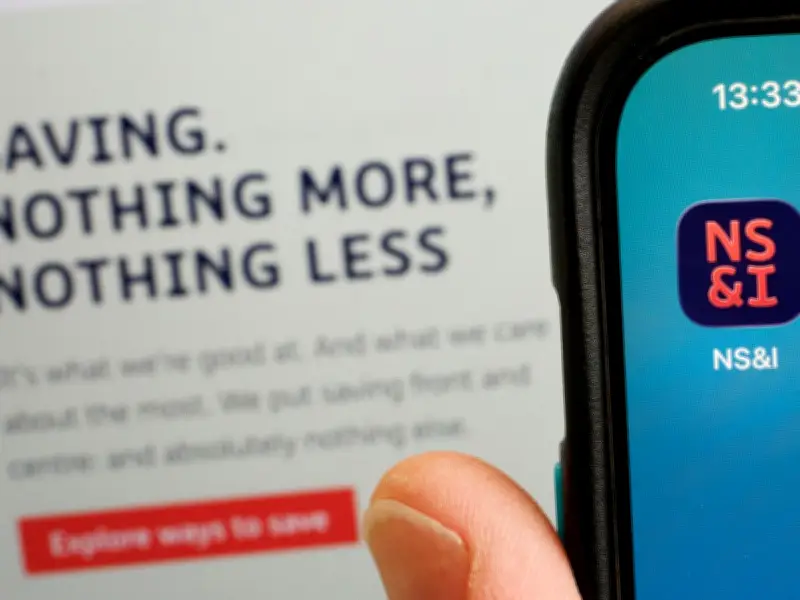
Premium Bonds are offered by NS&I and are backed by the government. Instead of earning regular interest, each £1 bond is entered into monthly prize draws. Prizes range from small amounts to jackpots worth £1 million. Because your capital is guaranteed by the government, there is no risk of losing money (apart from the impact of inflation reducing purchasing power over time).

The advantages of Premium Bonds
The biggest attraction is safety combined with the chance of winning tax-free prizes. Unlike stock market investments, the value of your Premium Bonds cannot fall. They are excellent for people who have already built an emergency fund, want a place to hold cash without investment risk, or enjoy the possibility of winning larger prizes.
The disadvantages of Premium Bonds
The average return can look competitive on paper, but many people earn less than the advertised prize-fund rate because prizes are distributed unevenly. If you only hold a small amount—such as £100, £500, or even a few thousand pounds—you may go long periods without winning anything. Someone with £100 has a relatively low chance of receiving prizes in any given month. As a result, high-interest savings accounts can often provide a more predictable return.
The likelihood of winning
Back in April, the prize rate dropped from 3.6% to 3.3%, causing many users to wonder if Premium Bonds were still worthwhile. Martin Lewis' MoneySavingExpert.com said: "Premium Bond prize rate to drop to 3.3% but top savings still pay 4.5%. There's just been Premium Bond prize fund rate news that it'll drop from 3.6% to 3.3% in April. In contrast, top savings rates are mostly holding up, even after December's base rate cut - though for how much longer, who knows."
Top easy-access (variable) rates include Chase's 4.5% new customer deal, and within cash ISAs, Trading 212 offers 4.4% (min £1). One-year fixes: Union Bank of India 4.23% (min £5k) is top, and among cash ISAs it's Close Brothers 4.08% (min £10k). So in both, normal savings pay most, but if you may pay tax on savings interest and haven't used this year's £20,000 ISA allowance, that's worth doing before you lose it on April 5.
Totally Money CEO Alastair Douglas added: "The news that NS&I is reducing the prize fund rate and lengthening the odds for Premium Bonds doesn't come as a surprise with the Bank of England expected to cut interest rates, and mirrors what we're seeing in the wider savings market. And while the headline prize fund rate of 3.30% is attractive, it doesn't guarantee a return on your money as that's calculated across the overall prize pot."
"Premium Bonds are very much a lottery, but without the risk of losing your stake. One month you might earn nothing, and the next you could land a jackpot. And with a 1 in 23,000 chance of winning, you'll need to invest a large amount to receive regular prizes. One of the key selling points is that they are tax-free, which is a bonus for higher-rate taxpayers. For example, if you held the maximum amount of £50,000 and won the equivalent of 3.30%, that's £1,650 tax free. A higher rate taxpayer earning the same in savings could face a bill of £743. If you want a guaranteed return, then shop around for a decent savings account - some are offering more than 4.00% with easy-access."