Bristol Nightlife Sector Demands Council Reverses Decision to Scrap Bristol Nights
Approximately 100 representatives from Bristol's nighttime economy and cultural sector have united to sign an open letter, urgently calling on the city council's leader to overturn a recent decision to terminate the Bristol Nights project. This initiative, which has been instrumental in launching successful public safety campaigns, is now at risk as the Green-led local authority moves to dissolve the partnership behind it.
Industry Leaders Voice Outrage Over Secretive Council Move
The decision, made behind closed doors, includes scrapping the Bristol Nights project and making the council's nighttime economy advisor redundant. This has sparked widespread condemnation, with opposition Labour members labeling the action 'outrageous' and demanding a public debate. The open letter, addressed to council leader Cllr Tony Dyer, emphasizes that the move affects not only businesses but also thousands of workers, creatives, and community members who rely on the nighttime economy for their livelihoods.
Signatories include prominent local entities such as Lakota, Love Saves The Day, FORWARDS, Watershed, Trinity Community Arts, Thekla, Bristol Old Vic, and the O2 Academy Bristol. In their letter, they state: 'We are concerned and shocked by the attempt to quietly close down Bristol Nights and silently make redundant the position of Bristol's nighttime economy advisor with absolutely no engagement from stakeholders.' They highlight that the sector has voluntarily contributed time and expertise to the project, believing it enhances life in Bristol after dark.
Bristol Nights: A Crucial Economic and Cultural Pillar
The Bristol Nights project has served as a strategic bridge between nighttime operators and the council, facilitating coordinated policy and safety initiatives like anti-spiking measures, drug safety protocols, Bristol Rules, the Women's Safety Charter, and Thrive at Night. The letter warns that removing the nighttime economy advisor and mothballing the initiative could lead to fragmentation, reduced safety collaboration, and a loss of sector confidence, reflecting a deprioritization of nightlife at the council level.
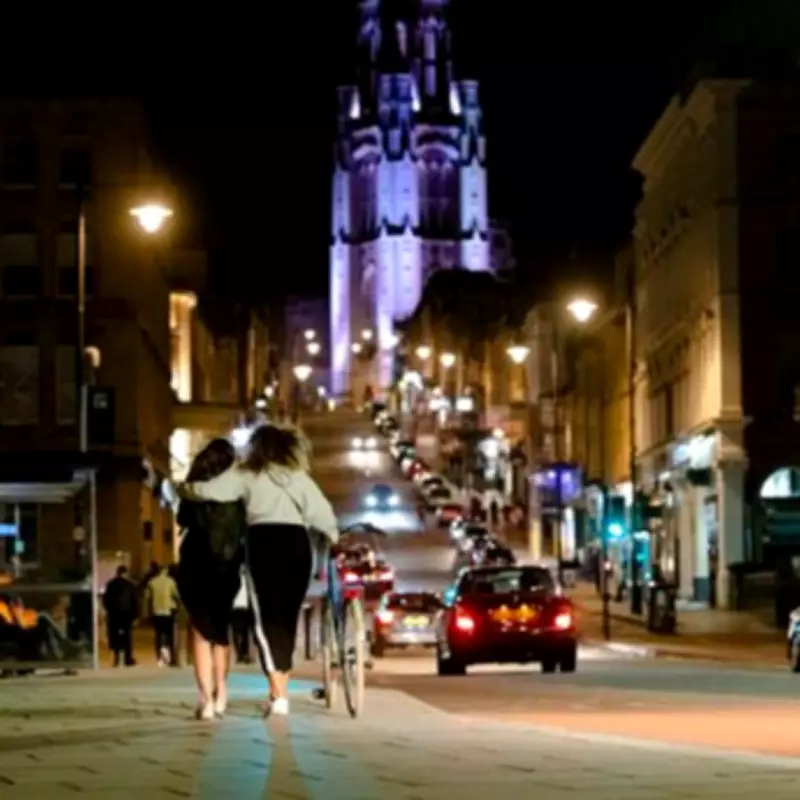
It further argues: 'Bristol's nighttime economy is not a niche sector. It is a major employer, a cultural export, a tourism driver, and a defining part of the city's identity.' The sector sustains numerous jobs, from artists and technicians to security staff, bar workers, taxi drivers, and hospitality teams. With the industry already struggling due to economic pressures like inflation and price increases, the timing of this decision is described as 'negligent' towards a crucial part of Bristol's economy.
Council Response and Future Implications
In response, Cllr Dyer acknowledged at a council forum that Bristol Nights was a 'brilliant and successful campaign' he supports. He assured that population health priorities, including those in the nighttime economy, would continue to be addressed by the public health team, with safety initiatives like Bristol Rules being reviewed and developed with relevant partners. However, the letter calls for transparency and proper consideration of equality impacts, urging councillors to reverse the decision and foster renewed collaboration.
This controversy underscores the ongoing tension between council budget constraints and the vital role of the nighttime economy in Bristol's social and economic fabric. As the debate unfolds, stakeholders remain hopeful for a resolution that preserves the gains made through the Bristol Nights project.