Spain's 'Radical' Coastal Plan Puts Three UK Tourist Resorts at Risk
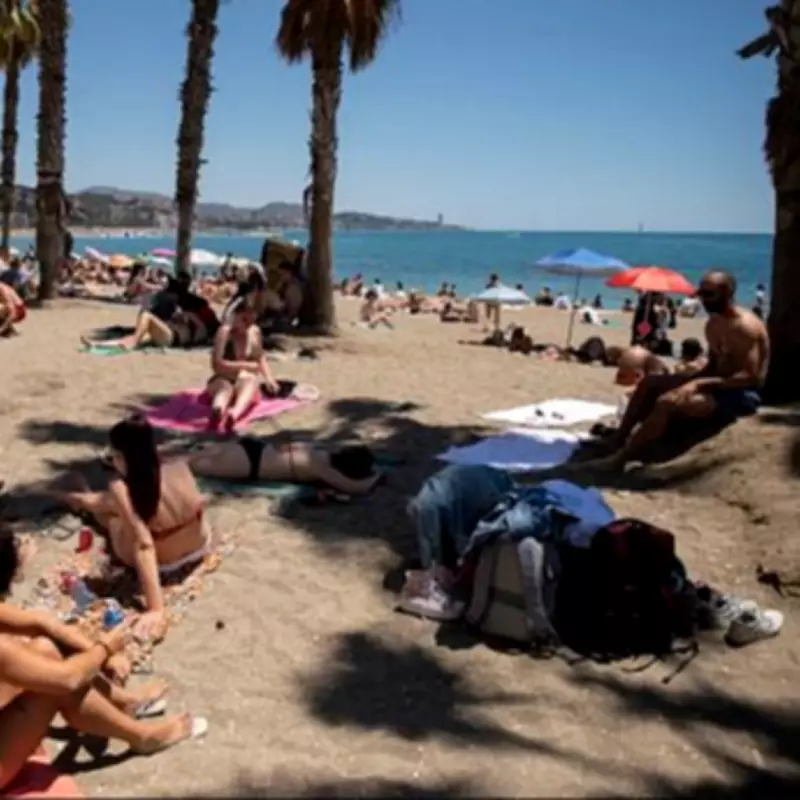
UK tourists planning holidays to Spain's Costa del Sol are being issued urgent warnings as three major resorts face the threat of severe beach erosion. According to recent reports, huge stretches of pristine Andalucian coastline are in danger of being washed away permanently, just ahead of the crucial summer season.
Resorts at Immediate Risk
The regions identified as most vulnerable include El Portil, Matalascañas, and Mazagon, all located in the Huelva province. These destinations are particularly popular with British holidaymakers, making the situation especially concerning for the tourism industry.
An investigation by Spanish newspaper El Mundo has revealed alarming statistics: in these three resorts alone, as much as 80 metres of beachfront has been lost to erosion over the past decade. This dramatic loss has put both local residents and holiday rental properties at serious risk, with experts pointing to a combination of massive storms and what they describe as "poor administration" of coastal resources.
The 'Radical' Retreat Solution
The severity of the situation has sparked intense debate among environmental experts, with many advocating for what they call a "radical" retreat strategy to save particularly threatened areas like Matalascañas.
Secretary of State for the Environment Hugo Morán has been vocal about his proposed solution: 'retranqueo,' which translates to a strategic retreat from the current shoreline. This controversial approach would involve demolishing existing beach bars and beachfront properties to create a new boundary several metres further inland.
"Continuing to ship in more sand every season is merely a sticking-plaster over what is really needed," Morán emphasized, calling instead for significant long-term investment in sustainable coastal management.
Environmental Experts Weigh In
Juanjo Carmona of WWF (World Wildlife Fund) supports this approach, stating: "Long-term plans will have to be implemented, which in many cases will be controversial, but they are the solution. It's not enough to postpone these issues from one year to the next, it's not enough to think that we can simply dump sand on the beaches every year, and it's not enough to think that a stone wall will protect against the erosion that is happening."
Local Residents Face Dire Consequences
The human impact of this coastal crisis is already being felt. Marie Noelle, a resident of El Portil, shared her distressing experience with El Mundo, revealing she has rebuilt the breakwater protecting her mother's house three times at a cost of €18,000 each time, only to see storms destroy it repeatedly.
She is now among dozens of residents who face the very real possibility of losing their homes entirely to advancing beach erosion.
Civil engineer and second homeowner Pablo Jimenez provided technical insight into why the problem is worsening: "The deeper channel created by dredging allows waves to travel faster and with more force before they hit the beach. This means they now wash away more sand than ever before, accelerating the erosion process."
As Spain prepares to implement what environmental officials describe as necessary but controversial measures, UK tourists are advised to stay informed about developments in these popular holiday destinations, where the very beaches that attract millions of visitors annually are now under serious threat.