Calls for an urgent review of the zero emissions vehicle (ZEV) mandate rules, which legally require rising sales of electric vehicles from manufacturers, have been made by carmakers and MPs. The Commons Business and Trade Committee and the Society of Motor Manufacturers and Traders (SMMT) have both issued separate appeals, claiming that Britain's carmakers are being asked to carry a burden that is becoming impossible to sustain.
Under the current mandate, introduced in 2024 and relaxed last year, car and van makers face legally binding targets. They must ensure that electric vehicles make up 80% of their car sales by 2030, rising to 100% by 2035. The rules have been widely criticized by the industry, and it is now claimed that, combined with the threat of new EU trade barriers, they present an existential threat to the UK sector, which includes brands like Nissan and its 6,000-strong operation in the North East. Last year, high-ranking Nissan executive Alan Johnson welcomed the relaxation of the mandate, which allows hybrids to be sold until 2035.
Liam Byrne, chair of the Business and Trade Committee, which scrutinizes government policy, has written to the Department for Business and Trade and the Department for Transport. In his letter, he stated that manufacturers had reported they were not seeing demand rise in line with the requirements of the mandate. He added: "Britain's carmakers are being asked to carry a burden that is becoming impossible to sustain. Manufacturers are now spending billions discounting electric vehicles to stimulate demand, while British-based firms are effectively paying overseas competitors for compliance credits, including companies benefiting from major state subsidy abroad."

Byrne continued: "So I welcome the Secretary of State's commitment in the House of Commons today to look again at the operation of the ZEV mandate. The transition to electric vehicles is essential. But transitions succeed when they are grounded in commercial reality and backed by a serious industrial strategy. That's why we need a whole-market review that aligns decarbonisation with competitiveness, protects domestic production, and ensures Britain remains a country that makes cars and not a nation that merely imports them."
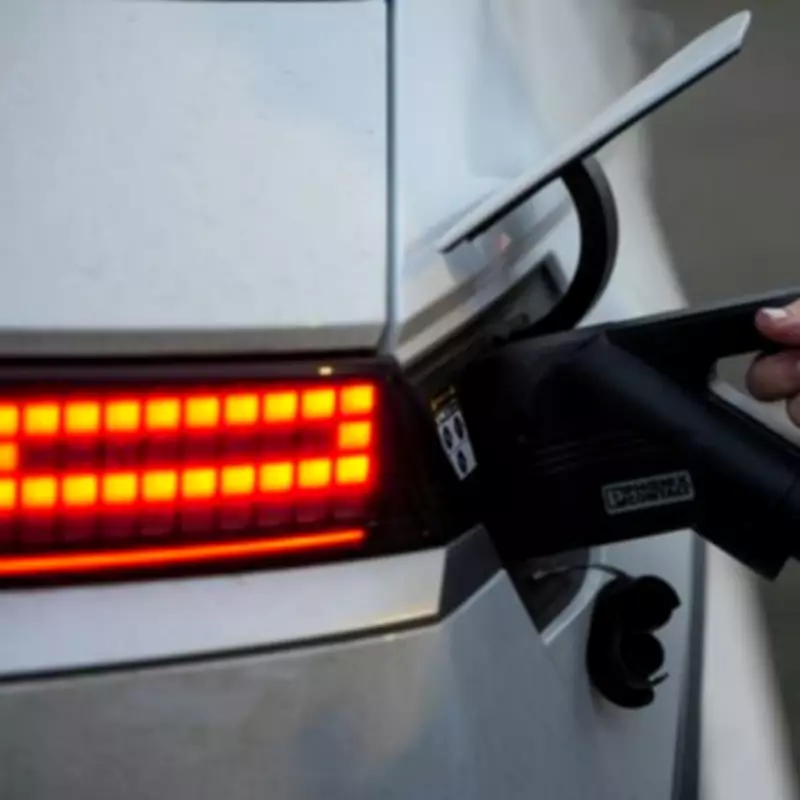
Mike Hawes, chief executive officer of the SMMT, said the market had changed since the mandate was introduced. He explained: "Energy costs were much, much lower than they are now but [since the outbreak of war in Ukraine they] have shot up and they've remained higher. It was assumed that EVs and ICE vehicles would be at price parity by now. We're not, and most forecasts suggest that it's probably going to be about 2030 before we get to cost parity. Battery costs are 31% higher than we thought they would be by now, and obviously, public charging is 140% higher than five years ago. With those sorts of obstacles, it's that much harder to get the entire market to move."
Figures published last month by the SMMT showed that sales of used pure electric cars reached a new high in the first three months of the year. Pure electrics took an all-time market share of 4.3%, while the overall used car market was virtually flat in the first quarter, with a 0.2% drop in transactions to 2,016,232.