Energy bills are set to increase once again in July, and for most households, that rise is already factored in. However, Martin Lewis, founder of MoneySavingExpert, asserts that the 13% hike is not inevitable for everyone.
Martin Lewis explains the voluntary nature of the rise
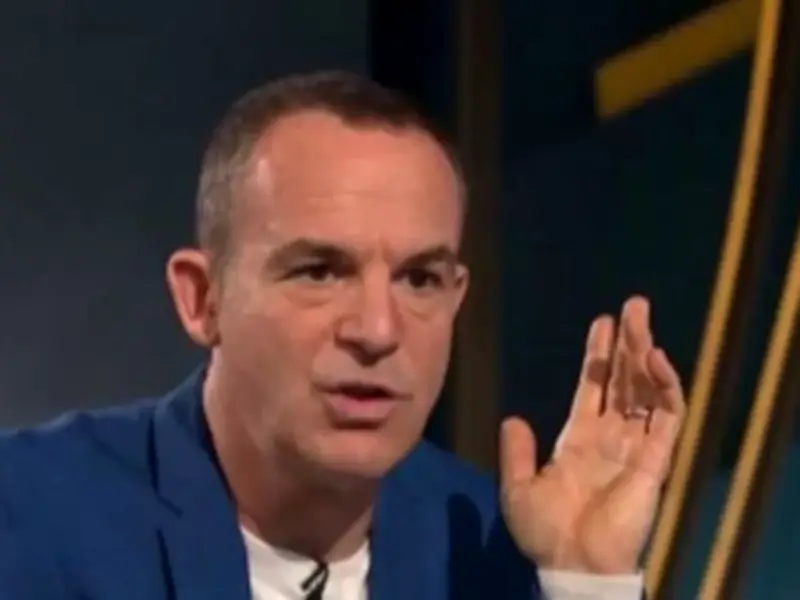
In a clip shared from his podcast on his official TikTok, Lewis detailed why millions of people have more control over their energy costs than they might think. He was straightforward about who the July increase will and will not affect. "I'm afraid we now know the energy price cap is going to rise 13% in July," he said. "But it's important to understand, for many people, that price hike is voluntary."
The reason lies in the type of tariff a household is on. The price cap only sets the rates for those on a standard default tariff—the plan that millions end up on by taking no action. Lewis explained: "If you're on a fix or a special deal, you're not price capped, so you're not going to see that rise in most cases."
Who is affected by the July energy price rise?
Lewis estimates that around 60% of households fall into the default tariff category, meaning the July rise will hit them automatically unless they take action. For those still on the price cap, he highlighted the current opportunity. "The cheapest fix right now is up to 3% cheaper than the current April price cap," he noted.
With the cap predicted to rise 13% in July, climb further in October, and remain elevated until around the end of March 2027, locking in a fixed deal now means avoiding all those increases for the duration of the fix. "If you lock in a cheap fix right now, if you're on the price cap, you are forestalling all those price hikes and you're saving in the meantime," Lewis said.
How to find the best energy deals
Some comparison sites hide the cheapest tariffs, meaning people can go through the switching process and still not end up on the best available deal. Lewis covers how to navigate this properly in his podcast, including how to identify the best tariff and avoid pitfalls that catch people out.
The current price cap stands at £1,641 a year for a typical dual-fuel household paying by Direct Debit. A 13% rise in July would push that to around £1,849 according to current forecasts, with further increases predicted beyond that. For households that lock into a fix that is currently 3% below the April cap, the combined saving compared to staying on the default tariff through the predicted rises could be substantial over the course of a year.
Financial aid expert Vettory added: "Martin's point about the rise being voluntary is an important one that many people will not have considered. Most households accept energy price increases as something that just happens, but the option to lock in now and avoid the coming rises is real and worth looking into. Comparing deals carefully and making sure the cheapest tariffs are not being missed is the key step, and with July only weeks away, the window to act is narrowing."