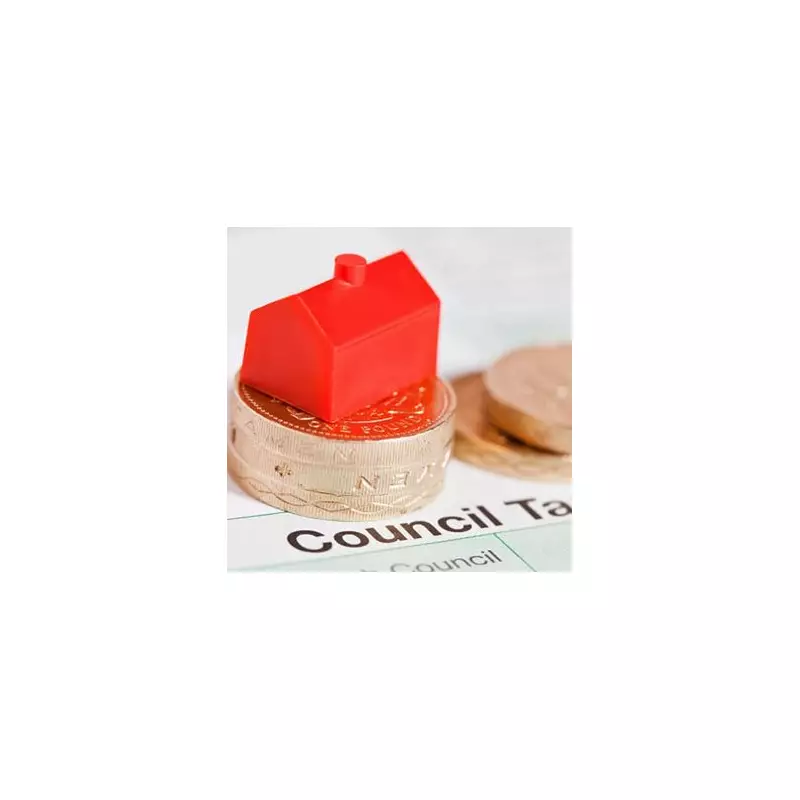
The Scottish Government has unveiled plans for a significant overhaul of council tax, introducing two new bands specifically for residential properties valued at more than £1 million. The changes, branded by critics as a new 'mansion tax', are scheduled to come into force on 1 April 2028.
The Proposed Changes and Political Rationale
Finance Secretary Shona Robison announced the proposal at Holyrood, framing it as a move towards greater fiscal fairness. She stated the government would ask "those with the most, the very wealthiest in our land, to contribute that little bit more" to support public services. Robison argued the measure would deliver "greater fairness as well as increased revenues to councils."
Charlene Young, a senior pensions and savings expert at AJ Bell, provided context, noting the bands will use up-to-date property values and are estimated to affect fewer than one per cent of Scottish households. She suggested that while appearing tougher than systems in England and Wales, the policy is "more about the message and optics" of creating a fairer system than raising substantial extra funds.
Industry Warnings and Potential Market Impact
Financial and property experts have reacted with caution, highlighting several risks. Stephen Cotter, financial planning area lead at Rathbones, pointed out a lack of clarity on how the high-value properties will be valued for the new tax. He warned the announcement "could distort activity at the top end of the market" as buyers and sellers adjust their behaviour ahead of the 2028 start date.
Cotter further cautioned that the policy risks creating 'price cliffs' at the £1 million threshold, potentially discouraging transactions and renovations. This, he argued, could slow housing market activity and might ultimately reduce overall tax revenues, counteracting the government's objectives.
Broader Criticism and Calls for Consultation
The broader housing policy context has also drawn criticism. Timothy Douglas from Propertymark criticised the wider budget for failing to address Scotland's declared housing emergency, arguing that "additional levels of council tax brings yet more disparity in pricing and costs across the property sector."
A spokeswoman for the council sector emphasised that local authorities must be central to shaping the policy, stating: "It is vital that councils - as the rate setters and collectors of council tax - are involved in shaping any policy relating to council tax." This underscores the need for detailed consultation before the 2028 implementation.
The proposed shake-up sets the stage for a major shift in how high-value homes are taxed in Scotland, with debates on fairness, revenue, and market impact set to continue for the next two years.