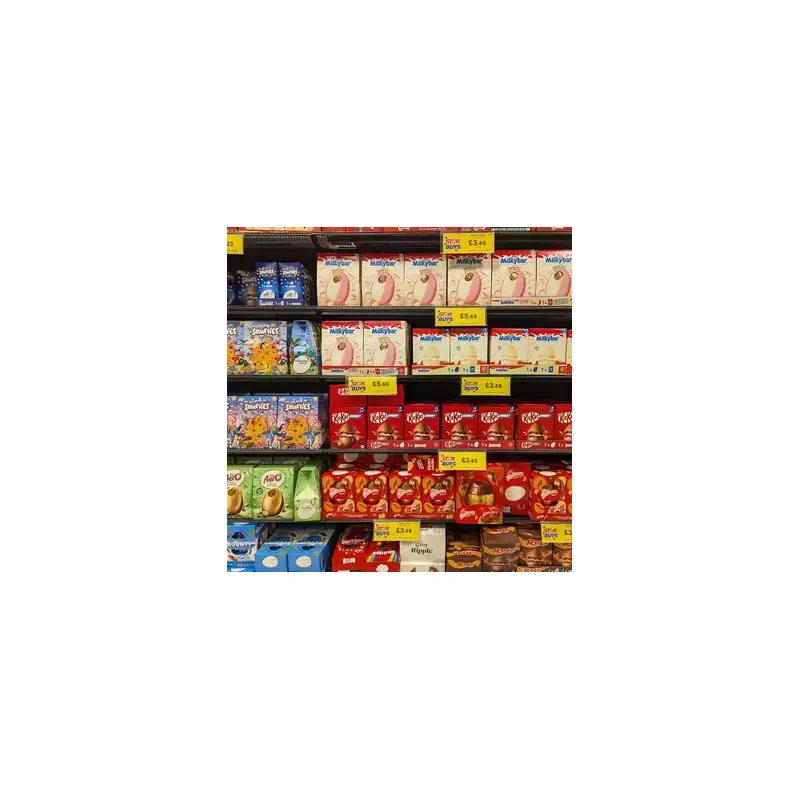
Leading chocolate manufacturers have implemented a double blow for UK shoppers this Easter, significantly reducing the size of popular seasonal eggs while simultaneously increasing their retail price.
The Shrinking Chocolate Basket
An analysis of 2026's Easter offerings reveals a stark trend of shrinkflation, where products get smaller but costs rise. Some iconic eggs are now a substantial 18 per cent smaller than their 2025 counterparts. Concurrently, prices have climbed, with increases of around a pound becoming common on supermarket shelves.
Specific examples highlight the scale of the change. The Maltesers Extra-Large Easter Egg has seen its weight drop from 231 grams last year to just 194 grams in 2026—a reduction of 16 per cent. Furthermore, the contents have diminished; this year's box contains two 37g packets of Maltesers, whereas the 2025 edition included three.

The situation is mirrored with Cadbury products. The brand's extra-large Twirl egg, which previously featured two full-size Twirl bars, now contains only two smaller, individually wrapped Twirl fingers.
Retail Prices and Manufacturer Justifications
At retailer Tesco, the new, smaller Maltesers egg is being sold for £7, up from its £6 price tag in 2025. Manufacturers point to unprecedented pressures in their supply chains as the driving force behind these difficult decisions.
A spokesperson for Mars Wrigley UKI, which produces Maltesers, stated: “We will always absorb pricing pressures where we can, but rising manufacturing costs, driven in part by well-documented increases in the cost of cocoa, have meant that we’ve had to adjust some of our product sizes.” They emphasised that the move ensures families can still enjoy Easter treats without a perceived drop in quality.
Mondelez, the parent company of Cadbury, echoed this sentiment. A spokesman explained: “Any changes to our product sizes is a last resort for our business.” They cited significantly higher input costs for ingredients like cocoa and dairy, alongside persistently high energy and transport expenses. “This means that our products continue to be much more expensive to make,” the spokesman added.
What This Means for Consumers
The combined effect of shrinkflation and direct price hikes represents a notable increase in the cost per gram of Easter chocolate for British consumers. Both manufacturers stressed that final pricing is set by retailers, but the underlying cost pressures from commodities are clear.
This Easter, shoppers are faced with a classic economic squeeze: paying more for less. The industry's move to reduce sizes, described as a last resort, highlights the ongoing impact of global commodity inflation on everyday goods, turning the seasonal treat into a clear indicator of wider economic trends.