The UK faces an explosion of Asian hornets after a record-breaking heatwave ended May. The sweltering end to spring means the threat of Asian hornets is huge as we head into July and deeper into the summer months.
Record Sightings and Nests
Populations are expected to soar across the UK due to unusually hot weather, with experts saying eradication may no longer be possible, as they instead attempt to manage the species amid fears they could harm humans. There were 544 Asian hornet sightings and 161 confirmed nests last year, more than double the previous annual peak.
Safety Advice for Households
BASC has urged people who find a nest to stay "at least five metres away" and put dogs on a lead. Then, report the location to the National Bee Unit (NBU) - and under no circumstances shoot at the nest. Which? adds households should keep bins closed, cover food, and seal all windows and letterboxes.

Expert Warnings
Luke Newnes, an expert in Asian hornets who works for gardening firm Hillarys, said: "Once secondary nests are established, a single colony can produce hundreds of new queens capable of spreading across large parts of the country before hibernation." The Sun reports this year will be the "worst year ever" for the beasts. Luke added: "We’re no longer talking about isolated coastal incidents. Sightings are appearing much further inland, and many experts now believe the focus has shifted from eradication to long-term management."
"The most important thing people can do right now is stay vigilant," said Luke. "If a nest is suspected, it’s extremely important never to approach or attempt to remove it yourself, as Asian hornets can become aggressive when disturbed."
Calum Walters, 71, who has kept hives for over three decades, said: "The hornets can decimate bee populations and kill off hives, and of course, they can even kill people. We were warned by DEFRA that more than 500 sightings were made last year, and this is expected to rise exponentially – so 1,000 sightings or more this year are to be expected."
Identification Tips
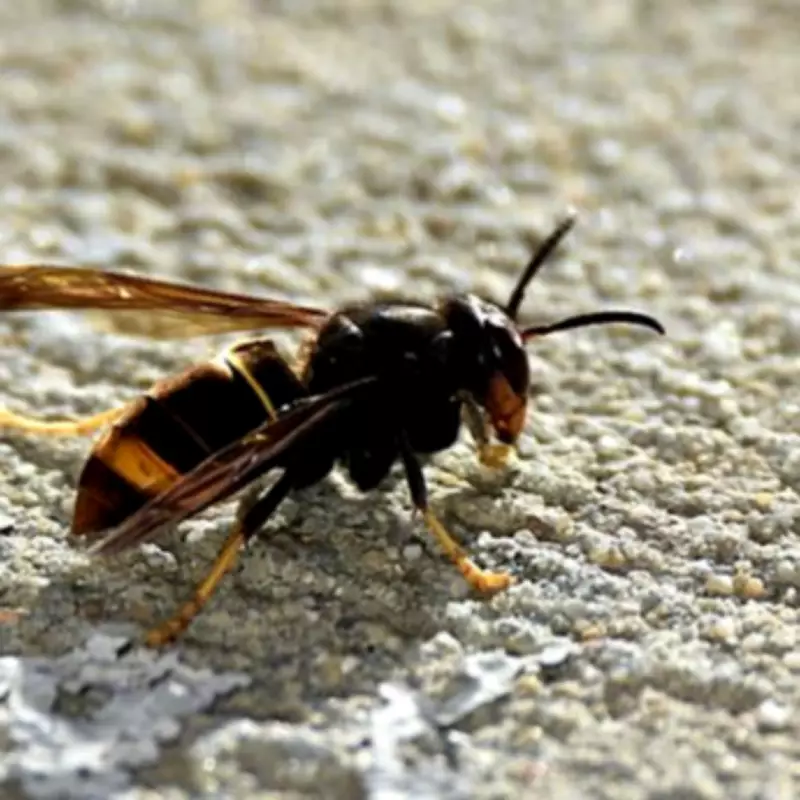
"The yellow-legged hornet is smaller than our native species. It has an orange head, and its entire body is almost entirely dark," said Niall Gallagher, technical manager at British Pest Control Association (BPCA). "To the untrained eye, it can be difficult to tell the difference between bees, wasps, native European hornets and yellow-legged hornets, but accurate identification is crucial to understanding and preventing the spread of this invasive species."