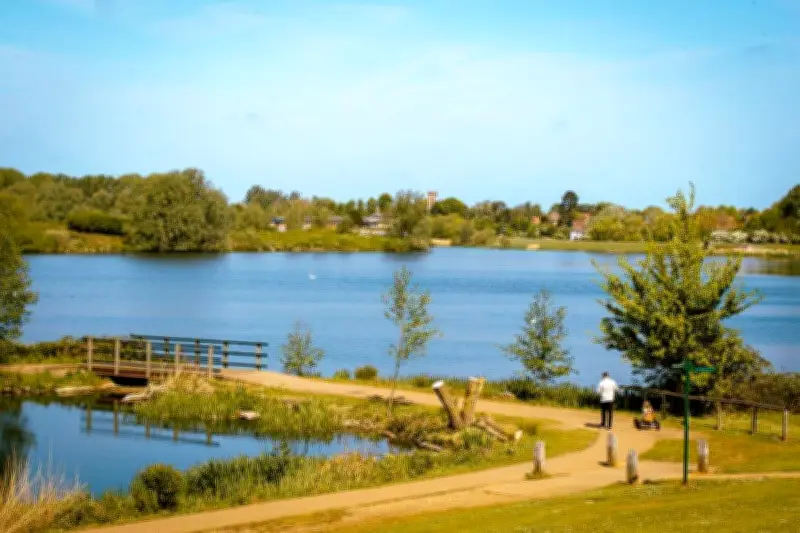
As temperatures in Birmingham climb towards 30°C this week, the Royal National Lifeboat Institution (RNLI) has issued a stark warning about the dangers of cold water shock. With many people heading to canals, reservoirs, and rivers to cool off, the charity stresses that entering cold water too quickly can trigger involuntary gasping, hyperventilation, and panic, leading to drowning.
What Is Cold Water Shock?
Cold water shock occurs when the body is suddenly immersed in water below 15°C. Even on a hot day, inland waters in the UK can remain dangerously cold. The RNLI explains that the initial gasp reflex can cause people to inhale water, while the sudden increase in heart rate and blood pressure can lead to cardiac arrest.
“The water might look inviting, but it can still be cold enough to cause cold water shock,” said an RNLI spokesperson. “We urge everyone to enter the water gradually and never jump or dive straight in.”

Safety Advice for Cooling Off
The RNLI recommends the following steps to stay safe:
- Enter the water slowly, allowing your body to acclimatise.
- Never swim alone; always have someone with you who can call for help.
- Wear a life jacket or buoyancy aid if you are not a strong swimmer.
- Avoid alcohol before swimming, as it impairs judgement and body temperature regulation.
- Know your limits – cold water can reduce your swimming ability quickly.
Local Risks in Birmingham
Birmingham’s extensive canal network, including the Grand Union Canal and Birmingham Canal Navigations, poses particular risks. Despite their calm appearance, these waterways have hidden currents, underwater obstacles, and cold patches. The RNLI and West Midlands Fire Service have previously responded to multiple incidents in these areas during heatwaves.
In 2022, the West Midlands saw a 15% increase in water-related incidents during hot weather, according to local emergency services. “We see a spike in call-outs when the sun comes out,” said a West Midlands Fire Service officer. “People underestimate how cold the water can be, even after a long spell of warm weather.”
What to Do in an Emergency
If someone is suffering from cold water shock, the RNLI advises:
- Call 999 or 112 for the coastguard or ambulance.
- Do not enter the water yourself – you could become a casualty too.
- Throw a floatation device or reach with a long object from the bank.
- Keep the person calm and still until help arrives.
For more information, visit the RNLI’s website or follow them on social media. Stay safe, Birmingham.