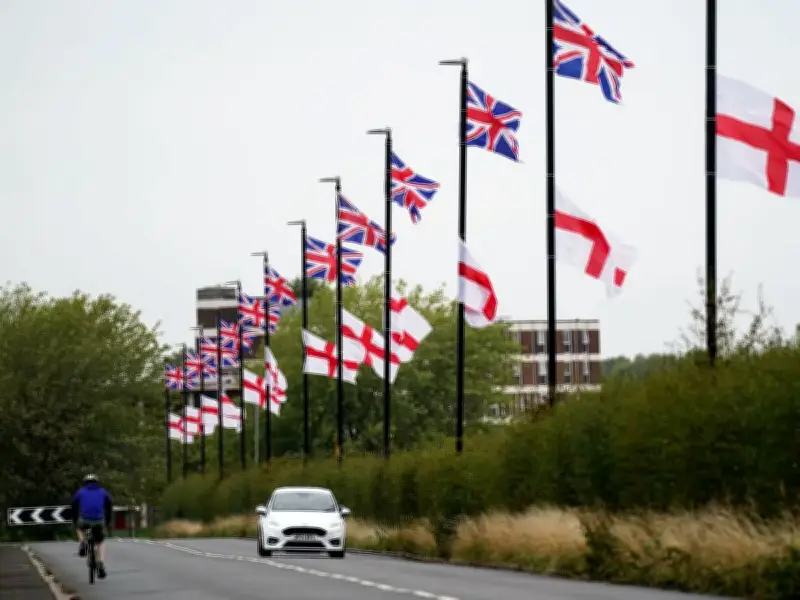
Birmingham City Council has published its full High Court evidence bundle online, by order of a judge, ahead of a hearing next Tuesday (8th) over its bid to halt unauthorised flagging operations across the city. The 281-page dossier details allegations of abuse, threats, and intimidation, and warns of a £2.6 million bill for removing the estimated 20,000 flags currently flying.
The council was compelled to share all its evidence so that those accused—including any 'persons unknown'—can prepare their defence. The two sides will go head to head at a hearing in Birmingham next week.
Council says court action is 'last resort'
The documents, filed with the High Court, describe court intervention as 'a last resort' but insist the council has to act. Waqar Ahmed, Director of Community Safety, Resilience and Cohesion at Birmingham City Council, states: "The defendants have not been conducting themselves peacefully. The tone of their behaviour has been aggressive, and they have been harassing and intimidating local communities and residents."
The council argues that flaggers have been "attaching flags to street furniture within Birmingham, including to lampposts, lighting columns, street signs, railings, bridges and barriers, without the consent, licence or permission of the council, or statutory authorisation" since August 2025. The evidence includes video footage and images, some posted by the men named in the case on the Raise the Colours social media sites.
Allegations of abuse, threats and criminal behaviour
The council claims flaggers have been operating "at all hours of day and night," causing disruption, and have confronted residents and council contractors who oppose them or take flags down. The papers allege "tortious and criminal behaviour which is both anti social and dangerous...committing offences under Section 132 of the Highways Act 1980 and...acts of public nuisance."
They are further accused of "creating a serious risk of harm, both physical and psychological, to other highway users, council contractors, and local residents." Specific claims include verbal abuse, including racial and sexist abuse, threats of violence, malicious allegations, damaging property, and following residents, filming them and uploading videos to social media "with the intention of intimidation and encouraging others to send abuse."
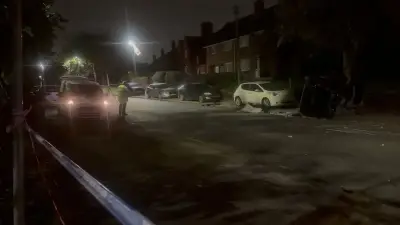
The flaggers are also accused of trespassing on council street furniture, obscuring traffic control cameras and road signs, and using abusive language towards residents, regularly using phrases like 'traitors' and, in some cases, telling people to 'go back to your own country'. The council cites a specific incident in May this year when a resident was hit by a cherrypicker and sustained injuries including a broken leg. Police continue to investigate. Incidents in Alvechurch, Moseley and Stirchley are also cited.
Named defendants and 'persons unknown'
Seven defendants are named in the injunction application, all connected to the 'Raise the Colours' movement. They are led by Ryan Bridge, described as a founding member and 'prominent participant' in flagging activity. Others include Julian Keane, also named as 'Elon' or 'JJ', described as a prominent protestor outside a Sutton Coldfield hotel for asylum seekers; Elliot Stanley, a fellow founder; Ross Child, given the moniker 'Ross the Don'; Billy Allison; Ben Cullen; and Mark Keating, described as a 'security guard' for Raise the Colours.
Also cited is 'persons unknown', which includes any current or future flaggers, primarily those attaching Palestinian flags. The council says limiting the injunction to named individuals "would make little practical difference to the problem as other people would simply attend in their place."
Not about patriotism, says council
The council stresses the case is not about the pros and cons of flying the Union flag or St George's Cross, nor about patriotism. Frank Jordan, the council's executive director of operations, said: "For the avoidance of doubt, the (council) does not seek to restrict the defendants from affixing flags to their own private property...residential or commercial premises."
"The council...is not... expressing any opinion as to the legitimacy or merits of the views of different groups manifested by the raising of flags. The council seeks only to protect the health, safety and security of its staff, contractors, councillors and inhabitants and its own property."
£2.6 million removal bill and police powers
Council contractor Keir has refused to allow its workforce to remove flags after a series of threats and intimidation, stating it is 'no longer willing to deploy operatives for such work due to concerns regarding health and safety.' An external contractor advised that removing every flag safely, including security in the event of challenge, works out at £132 per flag. The council would "suffer financial loss of approximately £2.6 million."
If the injunction is awarded, anyone failing to comply "may be held in contempt of court and imprisoned or fined, or assets may be seized." This applies to named persons and 'persons unknown', and anyone enabling a breach. Police will have powers of arrest for anyone deemed to contravene the order.
The council says it has sought voluntary compliance without success, including engaging with flaggers and seeking 'alternative ways for them to demonstrate their patriotism'. The injunction is a 'last resort'. The council adds: "We are, rightly, in my view, being put under increasing pressure from local councillors, local residents within different areas of Birmingham, and local businesses to take action to protect and safeguard them against the threatening and intimidating behaviour of the defendants... There is a real risk of the activities turning violent, and this assessment is supported by the police, councillors and community groups."
The council denies the injunction would infringe freedom of speech, stating it "would prevent them from expressing their views and beliefs by erecting flags on street furniture, and by harassing and intimidating others....but the terms of the injunction proposed do not prohibit them from erecting flags on their own private property, nor from distributing them, nor from holding them at any protest which they attend." The council adds: "We are seeking to stop all groups from thinking that they can raise flags of any kind on public highway infrastructure and furniture. It is the behaviour of the defendants in expressing their beliefs and opinions that is the concern, not those beliefs and opinions in and of themselves."