How to Spot a Cannabis Farm in Your Street: Essential Safety Guidance
Residents across the country are being urged to remain vigilant as organised crime groups increasingly establish illegal cannabis farms within ordinary residential properties. This concerning trend has led to a significant police crackdown, with national forces seizing cannabis plants worth over £48 million in recent operations. The infiltration of quiet neighbourhoods by criminal enterprises poses not only legal risks but also substantial dangers to community safety and property integrity.
Understanding the Growing Threat in Residential Areas
Large-scale cannabis cultivation operations are no longer confined to remote industrial units but are increasingly being discovered within seemingly normal homes. This strategic shift into residential streets has prompted authorities to intensify their efforts to dismantle these illegal setups. Property experts emphasise that early identification of these covert operations is crucial for preventing extensive damage to neighbouring properties and maintaining overall community security.
Visual Indicators of Suspicious Activity
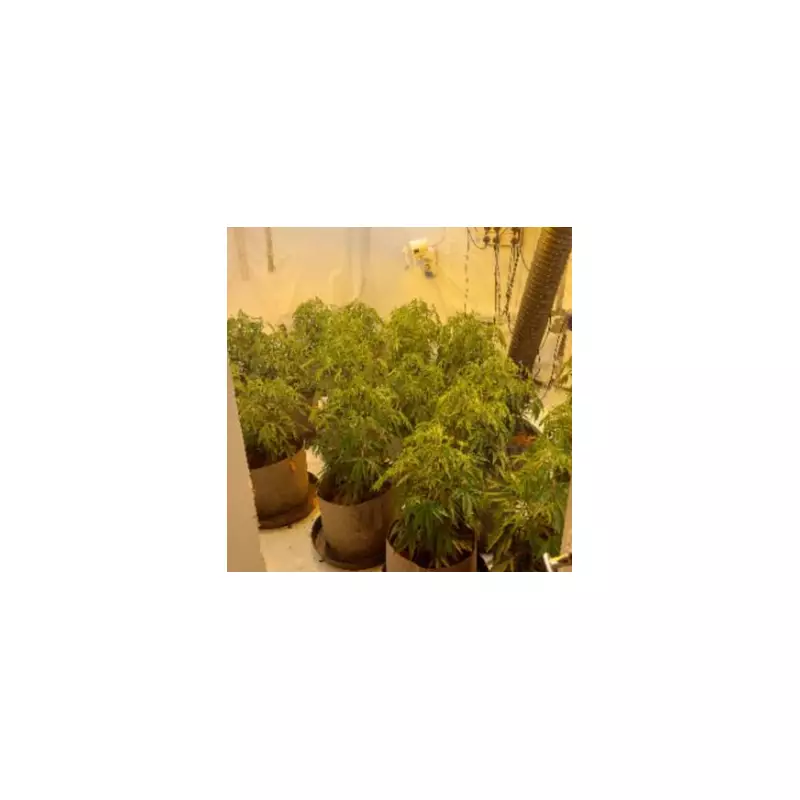
Several physical signs can alert residents to potential cannabis cultivation nearby. Permanently blacked-out windows or heavy foil coverings are among the most obvious visual warnings of sophisticated indoor growing operations. Additionally, excessive condensation on windows and unusual heat radiating from loft spaces often indicate the presence of high-intensity lighting systems required for plant cultivation.

Residents should also be observant of properties that emit persistent chemical smells or distinctively sweet, pungent odours throughout the day and night. These aromas frequently accompany cannabis cultivation and processing activities.
Behavioural Patterns and Electrical Dangers
Unusual activity patterns around a property can provide further clues about potential criminal use. Frequent short-term visits by various individuals at irregular hours, particularly during late evenings or early mornings, may suggest a house is being used for distribution purposes alongside cultivation.
Perhaps most dangerously, these illegal operations often involve hazardous electrical modifications that present severe fire risks to neighbouring terraced or semi-detached homes. Bypassed electricity meters and excessive cabling installations overload local power grids not designed for such intensive usage, creating conditions that can lead to catastrophic blazes.
Reporting Procedures and Safety Precautions
Authorities strongly advise the public to report any suspicious activity through appropriate channels while avoiding personal risk. The 101 non-emergency police line provides a direct reporting method, while anonymous tip-off services offer additional discretion for concerned residents.
It is absolutely vital that residents never attempt to investigate or enter a suspected property themselves due to potential confrontations with occupants and the inherent dangers of modified electrical systems. Professional law enforcement agencies possess the necessary training and equipment to handle these situations safely.
By remaining observant and reporting concerns through proper channels, communities can work alongside police forces to identify and dismantle these illegal operations, protecting both property values and neighbourhood safety from the risks associated with residential cannabis cultivation.