Birmingham Muslims Offer Guidance on Eid Greetings and Ramadan Terminology
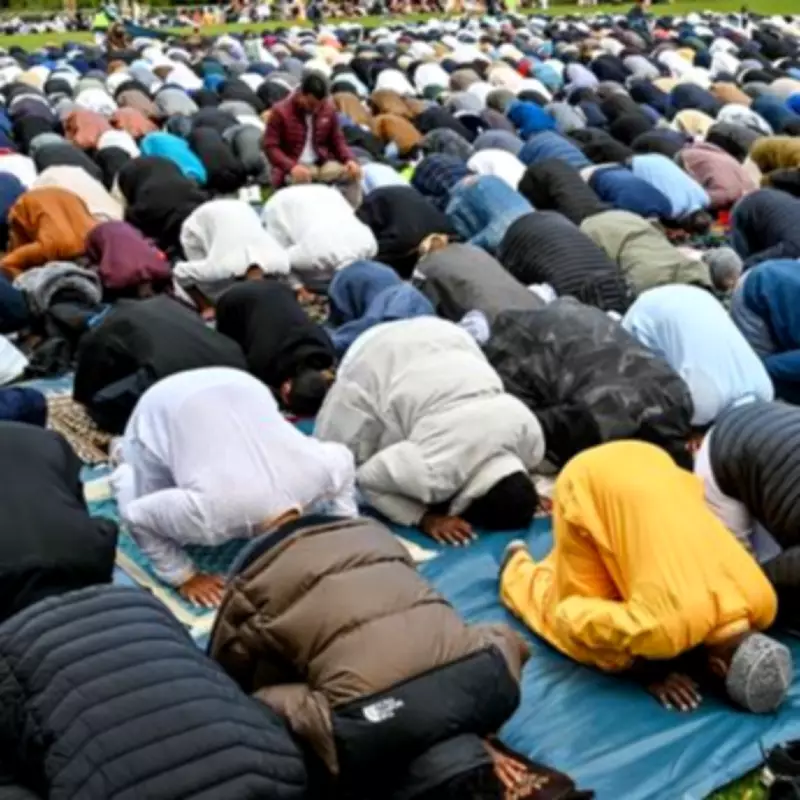
As Muslims worldwide celebrate Eid ul Fitr, many individuals seek to express respect but may feel uncertain about appropriate greetings for Muslim friends, colleagues, or neighbours. In Birmingham, hundreds of Muslims have gathered at Small Heath Park for communal prayers and festivities, highlighting the city's vibrant Islamic community.
Expert Insights from Local Muslim Brand
Specialists from AbayaButh, a Birmingham-based Muslim fashion and modest-wear brand, have provided clarity on whether to say "Happy Eid" and shared essential Arabic terms commonly used during Ramadan and Eid. A spokesperson for AbayaButh emphasized, "Eid fundamentally revolves around community, generosity, and celebration following the month of Ramadan. If someone wishes you 'Happy Eid', the sentiment is always appreciated. Many Muslims also use the phrase 'Eid Mubarak', which simply means wishing someone a blessed celebration."
The spokesperson added, "Learning even a few of these terms can help people feel more confident engaging with Muslim friends, colleagues, or neighbours during Ramadan and Eid."

Should You Say "Happy Eid"?
Yes, wishing someone well for Eid is always welcomed and appreciated. However, many Muslims traditionally say "Eid Mubarak", which translates to "Blessed Eid" or "Have a blessed celebration." This greeting is used globally during Eid al-Fitr, marking the end of Ramadan.
If someone says "Eid Mubarak" to you, a common response is "Khair Mubarak," meaning "may goodness come back to you too." The key takeaway is that well-meaning greetings are valued, whether using "Happy Eid" or the traditional Arabic phrase.
Arabic Words and Phrases You May Hear During Ramadan and Eid
Eid Mubarak
- Pronunciation: Eed Mu-ba-rak
- Meaning: "Blessed Eid."
- This is the most common greeting during Eid celebrations, used to wish people a joyful and blessed festival.
Ramadan Mubarak / Ramadan Kareem
- Meaning: "Blessed Ramadan" or "Generous Ramadan."
- These greetings are frequently used throughout the holy month to wish others well.
Suhoor (or Sahri)
- Meaning: The pre-dawn meal eaten before fasting begins for the day.
Iftar
- Meaning: The evening meal eaten at sunset to break the fast.
Sawm
- Meaning: Fasting during Ramadan, which is one of the Five Pillars of Islam.
Zakat
- Meaning: Charitable giving, where Muslims donate a portion of their wealth to those in need as a religious duty.
Zakat al-Fitr
- Meaning: A specific charitable donation given before Eid prayers so those in need can also celebrate.
Tarawih
- Meaning: Special prayers performed at night during Ramadan.
Laylat al-Qadr
- Meaning: The "Night of Power," believed to be when the Qur'an was first revealed to the Prophet Muhammad, falling in the final days of Ramadan.
Taqwa
- Meaning: A state of mindfulness and consciousness of God, often associated with spiritual reflection during Ramadan.
Salah
- Meaning: Daily prayer, another of the Five Pillars of Islam.
Fajr / Zuhr / Asr / Maghrib / Isha
- Meaning: The five daily Islamic prayers observed throughout the day, from dawn to night.
This guide aims to foster cultural understanding and respect in Birmingham's diverse community, encouraging inclusive interactions during significant religious observances.